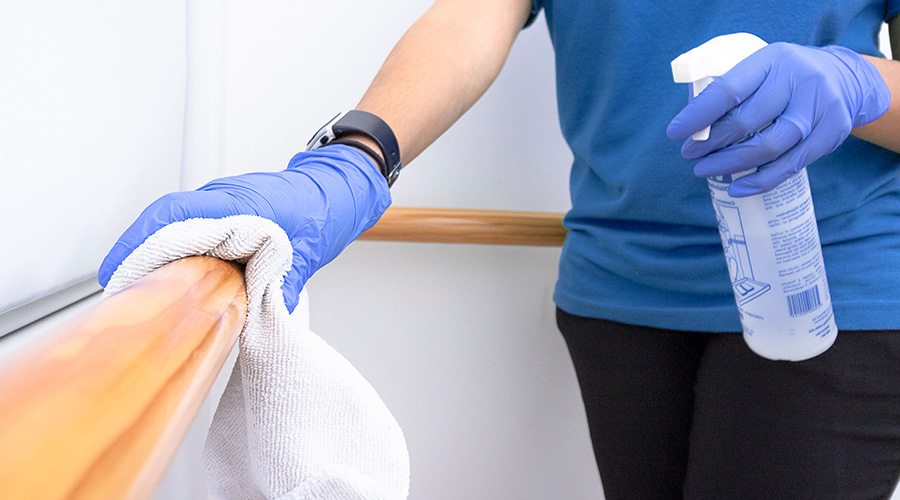
Antimicrobial paints and coatings have become increasingly popular among healthcare facilities managers looking to create healthier indoor environments. As the COVID-19 pandemic rolls on, managers are looking even more closely at these products to protect patients, staff, and visitors to their facilities. In this manufacturerroundtable, Healthcare Facilities Today talks with paint and coating manufacturers about the benefits of antimicrobial paints and how managers can maximize their effectiveness.
How are antimicrobial paints and coatings influencing facility managers’ product decisions? What benefits do they have over other paints?
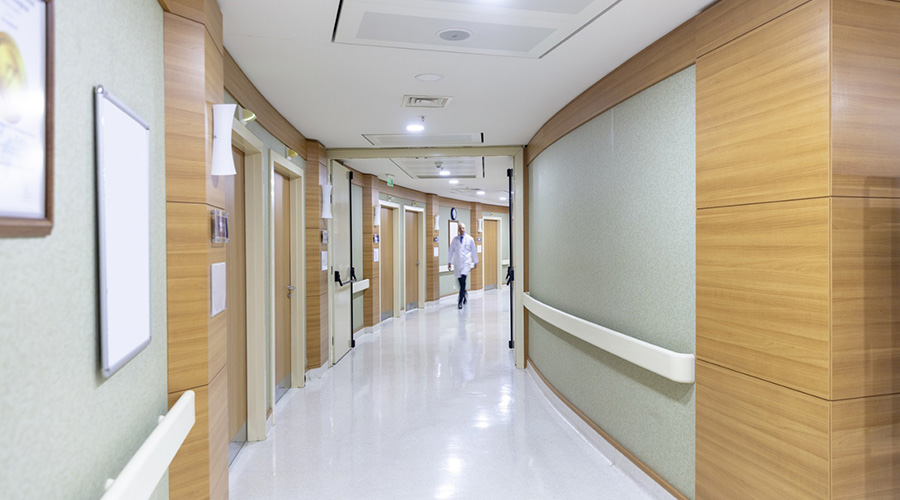
We will continue to see investments in coatings that support the well-being of a space for customers, and coatings that work harder for your walls. There are paints that help keep walls sanitized 24/7 by killing 99.9 percent of certain bacteria. It is ideal for high-traffic areas like bathrooms, patient rooms, or hallways
— Rick Watson, director of product information and technical services, Sherwin-Williams
Now more than ever, we’re hyper-aware of the surfaces we touch every day and are looking for additional protection against viruses and bacteria that may live on surfaces we interact with daily. PPG Copper Armor provides a barrier on the walls that surround us at healthcare facilities.
— Brian Osterried, senior product manager and technical lead, PPG Copper Armor
We’ve learned that for facility managers and painters, paint that is ‘good for health or safer’ was generally associated with removing the negative, rather than adding any benefits, like anti-microbial properties. For decision makers from larger healthcare facilities, the greatest barrier to anti-microbial paints is the inclusion of certain chemicals or substances that are prohibited. This tends to be the case at medium to large healthcare facilities. Most feel the benefits of anti-microbial paints are too intangible to warrant the added cost and without clearly demonstrating the added value. When it comes to environmentally friendly or green paints, low-odor and low-VOCpaints are at the top of their needs
— Alfredo Valiente, product marketing manager, commercial and professional brands, Benjamin Moore Co.
Mackenna Moralez is assistant editor with Healthcare Facilities Today.
 How Efficiency Checklists Help Hospitals Save Energy, Water and Money
 What To Know Now About OSHA's Updated Hazcom Rule
 Making Healthcare Lighting Retrofits Work
 Harris Health to Build New Freestanding Cancer Center