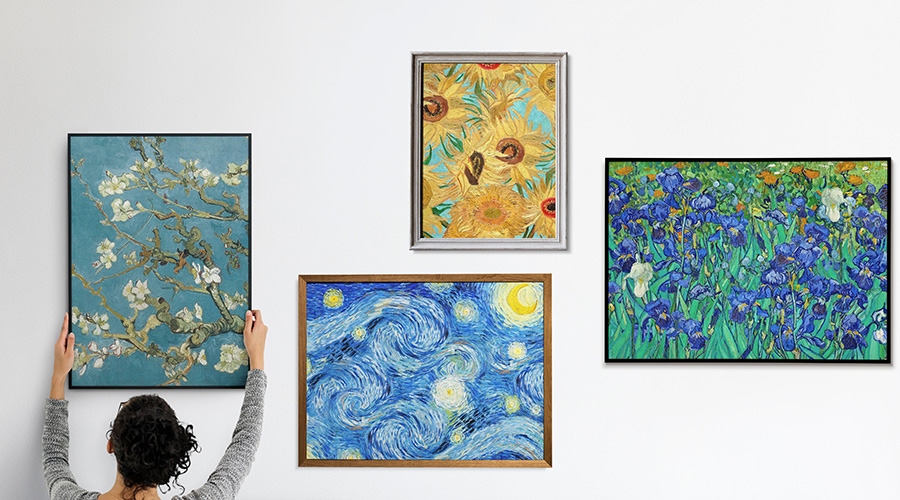
Curated art is increasingly used as an essential design element in senior care and living facilities. Rather than leaving walls white, thoughtfully selected artwork can transform a facility’s atmosphere and shape how the space is experienced by patients, staff and visitors.
“Art can make healthcare environments feel less clinical and more human-centered,” says Meredith Burwell, director of projects at Eaton Fine Art. This shift is critical in senior care settings, where the environment plays a direct role in defining comfort and quality of life. Art can introduce warmth, vibrance and visual interest, going against the institutional feel that can often overtake healthcare spaces.
Facilities that implement curated art also benefit from stronger emotional and psychological reactions. Burwell notes that art “goes beyond decoration and creates moments of ease, calm and connection.” This is particularly important in environments that tend to foster stress, uncertainty or routine that can define the experience. Carefully chosen art, especially works inspired by nature or local culture, can help support relaxation, reflection and engagement.
Beyond the emotional impact, art can also directly enhance operations through specific placement strategies. Designers consider lighting, sightlines and how people move through a space, ensuring artwork appears in entryways, corridors and shared spaces. These installations can subtly guide navigation and create visual landmarks that make facilities easier to understand and move through, especially for older patients.
“Art can reinforce an organization’s identity and mission by influencing people’s perception and experience,” Burwell says. Through consistent themes, colors and subject matter, art can communicate values such as care, community and inclusivity. This subtle narrative allows anyone who walks through the doors to instantly grasp the space, immediately establishing a sense of trust and connection.
Elaina Myers is the assistant editor of the facilities market.
 Building Around Care: Lessons in Modernizing Active Healthcare Environments
 St. Luke's Heart Hospital Opens at Anderson Campus in Pennsylvania
 WindRose Health Network Ensnared in Vendor Data Breach
 How Efficiency Checklists Help Hospitals Save Energy, Water and Money
 Intermountain Healthcare Receives $50M Gift for Standalone Children's Hospital