
One of the challenges facility managers face is finding ways to successfully implement energy efficient strategies within a fully operational occupied building, according to an article from Building Operating Management on the FacilitiesNet website.
With any initiative, the pros and cons of the long term benefits and potential cost savings must be weighed against the overall impact to the occupants’ experience. If construction and renovations negatively affect end users, these long term energy savings may not be enough to offset the resulting logistical and financial risks.
Often the systems that can make the greatest long term sustainability impact may also be the ones that will cause the greatest immediate disturbance to the operations of an existing building. The key to developing and executing successful energy efficiency initiatives within existing facilities is targeting the right systems at the right times.
Compared to other building system upgrade options, lighting and lighting controls are generally more easily replaced or transitioned with minimal disruption or impact to the occupants’ operations and experience.
Upgrading lighting and lighting controls can reduce the energy use of the facility, but it also provides a high visibility commitment to the overall occupant experience.
 Emergency Preparedness: Building a Stronger Community
 Ground Broken on Lavine Bekenstein Cancer Hospital in Massachusetts
 Camden-on-Gauley Medical Center Reports Data Security Incident
 Elevating EVS Professionals: The Case for Certified Hygiene Specialists
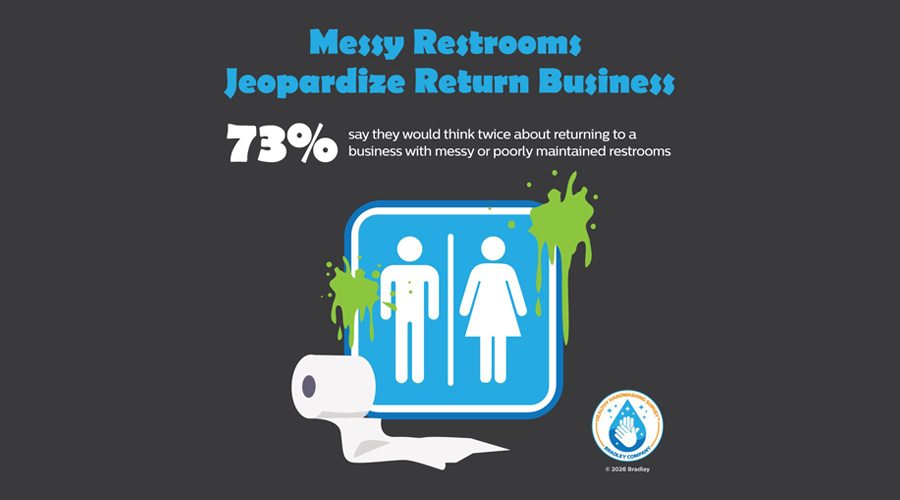 Global Handwashing Day and the Importance of Well-Maintained Restrooms