
Naval Hospital Bremerton (NHB) in the Puget Sound area safeguarded its core building with the seismic retrofit, including shock absorbing inertia dampeners — to prevent the upper floors from transitioning from the initial shaking, according to an article on the Defense Video & Imagery Distribution System website.
NHB is the first Navy medical facility to undergo this type of seismic retrofit project.
“Our hospital has to be operational immediately after an earthquake and we retrofitted it to stringent criteria to be better able to withstand a sizable quake in the future,” Russell Kent, NHB facility manager, said in the article.
After a major earthquake, structure or utility systems may be compromised or inoperable for weeks or longer. Having supplies for up to 10 days, a communications plan, an emergency plan that all family members know and have practiced, and a method by which to contact not only family members but a work center/command is crucial.
 The Future of Healthcare Facility Construction Projects
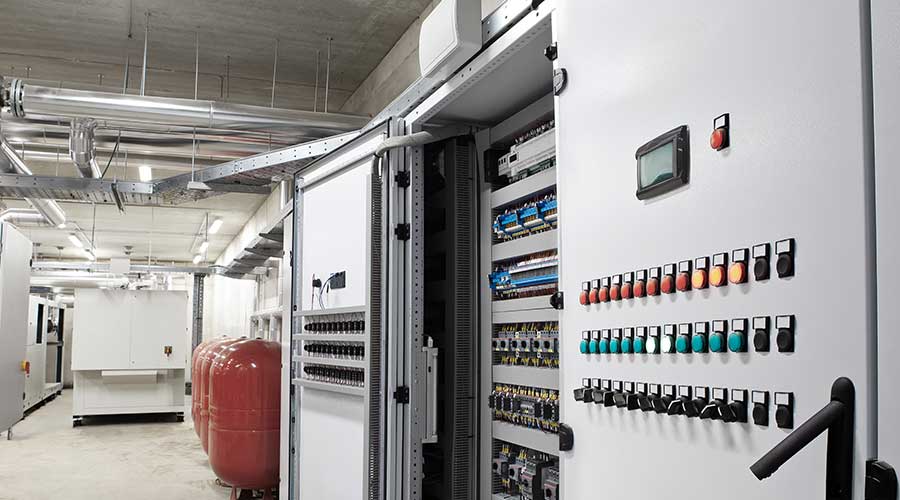 Arnprior Regional Health Upgrades Building Controls to Improve IEQ
 Next Level Medical Suffers a Data Breach
 Extreme Weather: The Maintenance-Resilience Link
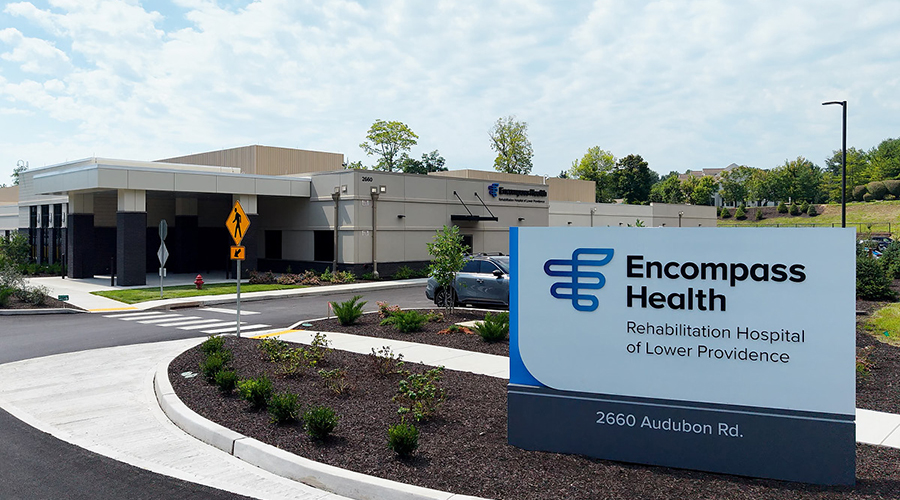 Encompass Health Lower Providence Opens in Pennsylvania