
Hospitals today can be sonic nightmares with a range of jarring alarm and monitor sounds, which studies have shown regularly exceed levels set by the World Health Organization, according to an article on The New York Times website.
Droning IV pumps, ding-donging nurse call buttons, voices crackling on loudspeakers, ringing telephones, beeping elevators, buzzing ID scanners, clattering carts are just the beginning.
A single patient might trigger hundreds of jarring alarms each day. But a group of experts is currently developing tones that replace the current alarms with signals that mimic electronic dance music or a heartbeat.
They group's efforts are focused on making alarms quieter and designing systems of visual cues — like interactive screens that look like paintings.
 Elevating EVS Professionals: The Case for Certified Hygiene Specialists
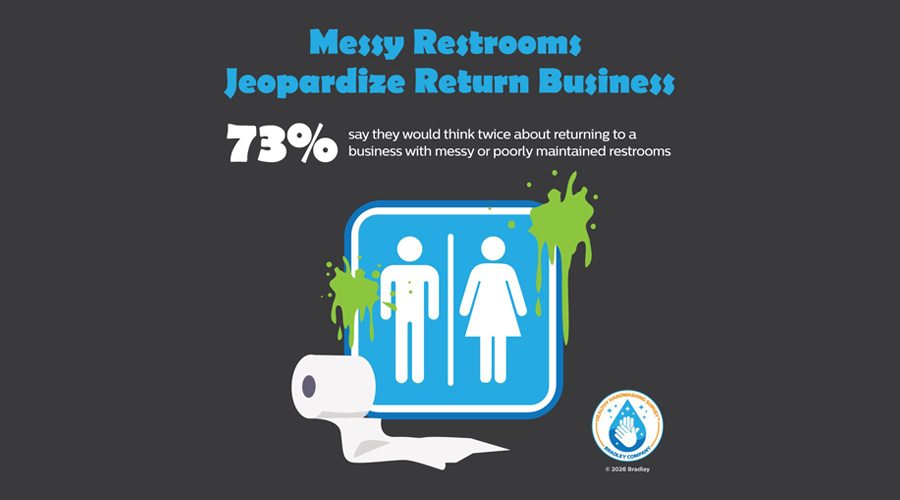 Global Handwashing Day and the Importance of Well-Maintained Restrooms
 Duke Health and CaroMont Health Partner to Develop Two New Hospitals
 Designing for the Psychology of Waiting
 UT Health Sciences Breaks Ground on College of Medicine Interdisciplinary Building