
A history of often uncoordinated policy decisions has resulted in a failure to attract needed capital to modernize skilled nursing facilities, according to a new ATI Advisory analysis commissioned by the National Investment Center for Seniors Housing & Care (NIC). The results, updated buildings and low innovation, are substantial barriers to adequately caring for and housing frail, older adults, experts say.
Researchers say federal policymakers should address the root cause of facilities’ inefficiencies: misalignment of the public-private partnerships that attract capital to own skilled nursing facility real estate instead of investing in innovating operations and modernizing facilities.
The analysis also finds that public-private partnerships, created to help Americans access their Medicare and Medicaid benefits and which supported skilled nursing facilities for 50 years, are now failing. Medicaid reimbursement rates in many states are insufficient to cover the cost of care, causing facilities to leverage higher reimbursement from Medicare patients to subsidize shortfalls. Increasingly, beneficiaries are replacing Medicare with Medicare Advantage, which reimburses 20 percent less on average than traditional Medicare.
Challenges resulting from less reimbursement from federal programs means ready access to private capital is crucial to remedying skilled nursing facilities’ challenges, experts say.
 Elevating EVS Professionals: The Case for Certified Hygiene Specialists
 Global Handwashing Day and the Importance of Well-Maintained Restrooms
 Duke Health and CaroMont Health Partner to Develop Two New Hospitals
 Designing for the Psychology of Waiting
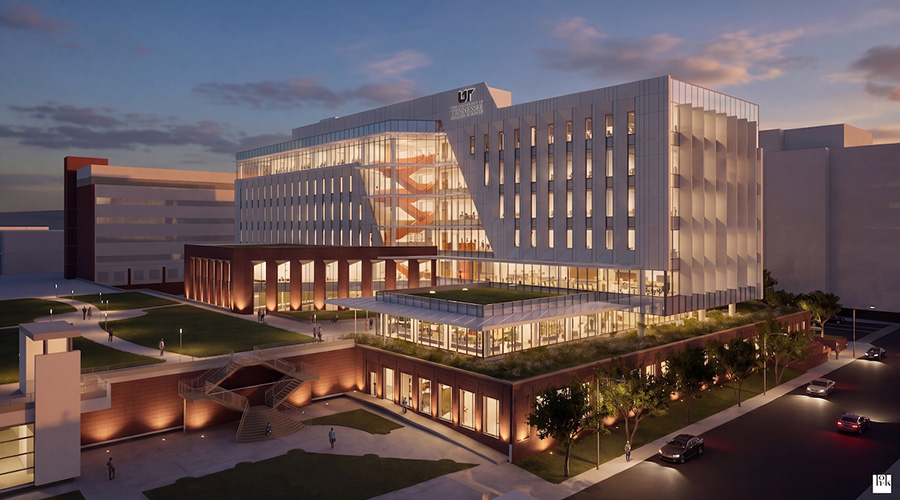 UT Health Sciences Breaks Ground on College of Medicine Interdisciplinary Building