
Healthcare providers are converting underutilized spaces into behavioral facilities to meet demand and generate revenue, according to an article on the Medical Construction & Design website. These renovations take various forms.
For instance, team workstations can be converted to suit behavioral health standards. Work areas are designed as a large, multi-seat workspace, and are sometimes glass-enclosed for heads-down, focused work and team collaboration and planning.
Also, behavioral unit entry/exit points should be through a series of interlocking doors to prevent elopement, adding complexity to renovations of existing spaces.
Standard multi-functional patient beds with electrical components, over-bed lights, medical gas headwalls, TVs and wall-mounted devices pose safety risks in a behavioral setting.
 Cooling Towers at NYC Health + Hospitals/Lincoln Test Positive for Legionella
 Prefabricated Wall Panels Accelerate UCF Lake Nona Medical Center Construction
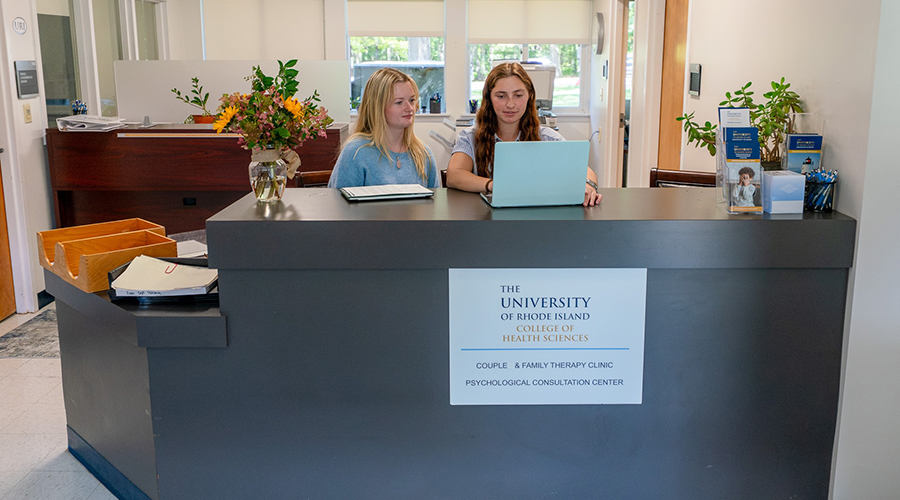 University of Rhode Island Adds Clinical Space
 How Retail Design Principles Can Improve Healthcare Wayfinding
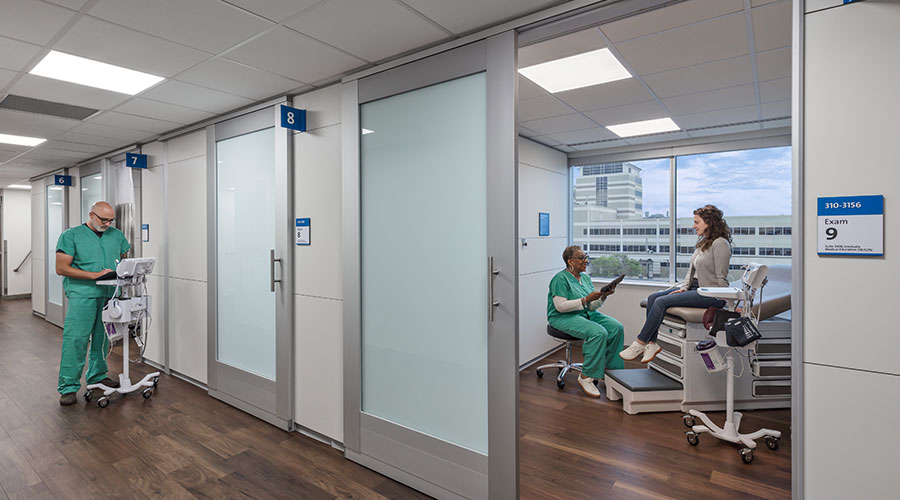 Flexible Design Strategies Help OhioHealth Maximize Clinical Space