
Seattle Children’s hospital launched an investigation after mold was discovered in it's facility in 2005 they hoped would be a model for others to follow, according to an article in the Seattle Times.
The study concluded a dirty nitrogen tank near an operating room was the source. Children’s published the investigation in a journal in 2007.
Last week, in the wake of recent Aspergillus infections, Children’s announced a reversal: Hospital staff now believe the system that circulates air through operating rooms caused mold infections going back to 2001.
Children’s announced it would install air filters long known to be effective in blocking tiny particles.
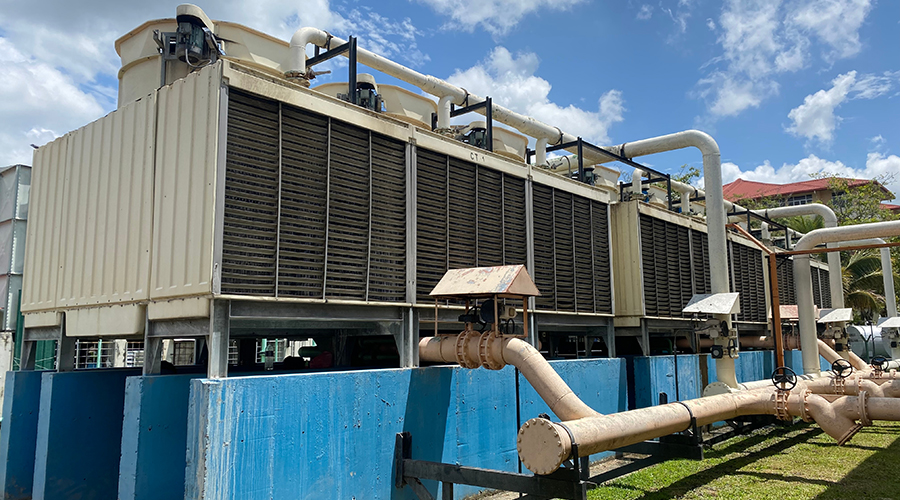 Cooling Towers at NYC Health + Hospitals/Lincoln Test Positive for Legionella
 Prefabricated Wall Panels Accelerate UCF Lake Nona Medical Center Construction
 University of Rhode Island Adds Clinical Space
 How Retail Design Principles Can Improve Healthcare Wayfinding
 Flexible Design Strategies Help OhioHealth Maximize Clinical Space