
South Carolina is expanding hospitals according to the needs of a surge plan that is based on projections of 3,500 coronavirus patients being hospitalized in early May, according to an article on The State website.
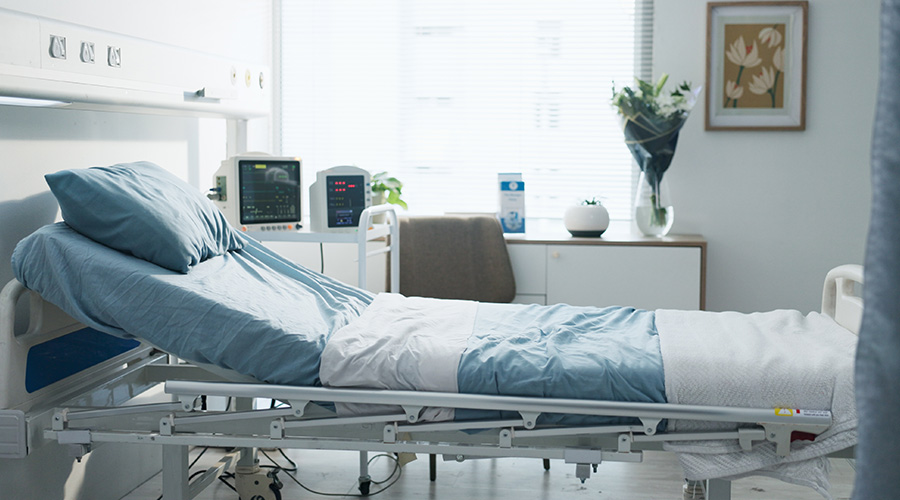
As of April 6, 5,944 hospital beds were available, though that number could change daily, The state’s plan will add 3,000 beds, bringing statewide available beds to about 9,000.
Healthcare facilities and other large venues throughout the state that meet certain requirements are split into three “tiers,” according to the plan, with each one used for a different purpose in the fight against COVID-19.
Tier 3 facilities are traditional hospitals that provide critical care services and ventilator management. Tier 2 facilities will offer care that is not “as intense” as the care at major hospitals, and tier 1 facilities will be used for quarantine and isolation of COVID-19 patients.
 Why Healthcare Facilities Management Is Critical to Patient Safety
  Brookdale Senior Living Announces Acquisition of the Brookdale Galleria Community
 Erlanger Health System Falls Victim to Data Breach
 Technological Readiness: The Missing Construction Milestone
 From Cooling Towers to Cost Savings: Hospital Seizes Power-Saving Opportunity