Even though the technological advances available through IP video surveillance are significant, entirely retrofitting an existing surveillance installation with the technology can be cost prohibitive for most healthcare facilities. The answer to capturing the benefit while mitigating the cost is through hybrid systems that marry existing analog equipment with new IP equipment, says an article in Campus Safety magazine.
Video surveillance becomes increasingly important as crimes increase in hospitals and medical centers. Certain crimes, such as homicides and assaults, increased by 300 percent from 2005 to 2010, according to a Joint Commission report cited. The emergency department is especially vulnerable to crime and violence due to the population it serves, which includes a higher percentage of mental health patients or those under the influence of drugs or alcohol.
Hybrid video systems allow more costly IP assets to be deployed where they count, while legacy analog equipment can be redeployed to lower priority areas. A hybrid system can combine analog and IP video inputs, can be scaled to hundreds of cameras, and improves the controllability of individual cameras. Hybrid systems also make it easier to scale up or down, as the security needs of the campus shift, says the article.
Read the article.

Surveillance system hybrids can stretch healthcare facility security dollars
Hybrid video surveillance systems capture the benefit of IP while mitigating the cost.
By Healthcare Facilities Today
April 9, 2013
Topic Area: Safety
Recent Posts
 Elevating EVS Professionals: The Case for Certified Hygiene Specialists
Workers cleaning patient rooms are not simply improving appearance. They are reducing bioburden and protecting human health.
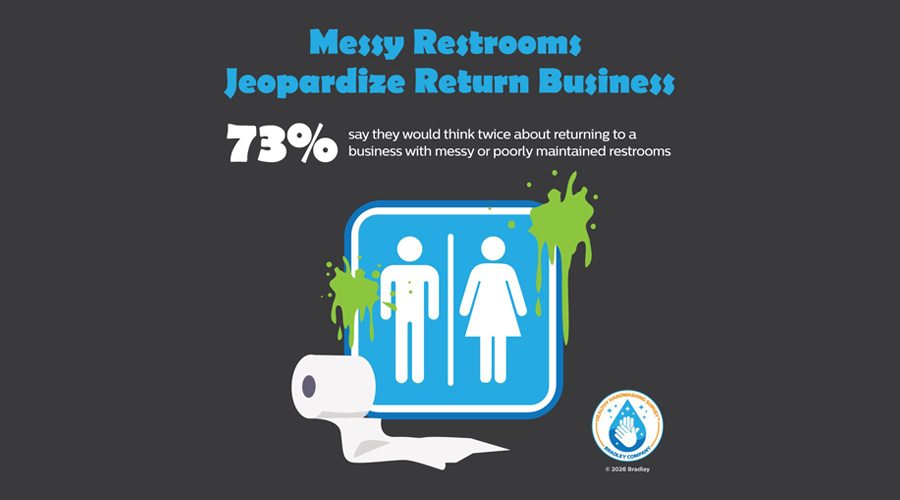 Global Handwashing Day and the Importance of Well-Maintained Restrooms
A recent handwashing survey found that Americans value clean restrooms and touchless fixtures.
 Duke Health and CaroMont Health Partner to Develop Two New Hospitals
CaroMont Health and Duke Health anticipate a decision by the end of March 2027.
 Designing for the Psychology of Waiting
A well-designed waiting room does more than fill time — it eases the patient experience and creates a more functional healthcare environment.
 UT Health Sciences Breaks Ground on College of Medicine Interdisciplinary Building
Construction is expected to be substantially completed in 2029, with full occupancy by 2030.