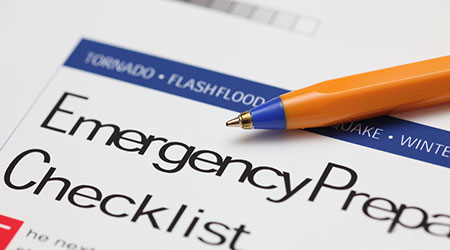
Preparing for the risk of a future pandemic is important, but an emergency preparedness program should be broadened to span an array of emergencies, according to an article from Building Operating Management on the FacilitiesNet website.
A comprehensive emergency program should include a communication and escalation protocol that includes a list of who needs to be contacted, when, and by whom.
Emergency operating procedures should be drafted and reviewed at least annually for relevance and accuracy. The staff should be trained on all related emergency operating procedures, communication and escalation protocols and applicable processes.
Drills should be coordinated at least quarterly, testing the emergency operating procedures and response against varying scenarios. Also, site/building drawings and one-line diagrams should be organized, reviewed and made available to applicable staff and contractors.
 Cleanliness in Hospitals: Clinical Priority and Community Perception
 Dana-Farber Receives $50M Gift for Planned Cancer Hospital
 Clarinda Regional Health Center Reports Data Security Incident
 Gaps in Nurses' Environmental Cleaning Knowledge Grow Amid Rising EVS Pressures
 Ground Broken on the Southern Nevada Forensic Facility