
Daylighting’s positive effects on building performance and human health are well known. Rensselaer Polytechnic Institute's Lighting Research Center (LRC) studies have reported on how daylit environments synchronizing human circadian rhythms with the solar day, according to an article on the Building Operating Management on the FacilitiesNet website.
In addition, daylighting can reduce electric lighting needs substantially.
On the other hand, the sun can sometimes be too bright and too warm, subjecting building occupants to glare and thermal stress. And sometimes the sun hides behind gray skies for days.
Today’s daylight LED (light-emitting diode) lamp marketers claim to offer the sun's benefits, using very few watts. In fact, visible-spectrum LEDs have come a long way since their invention in 1962. Using advanced controls, white-tunable LEDs can simulate sunrise, sunset, and the sun’s numerous variations throughout the day. Programming LEDs can even tailor applications to recreate artificial daylight that simulates an individual user’s geographic location.
 The HVAC Dilemma: To Repair or Replace?
 Department of Veterans Affairs Signs Lease for Community-Based Outpatient Clinic in Kentucky
 Cameron Regional Medical Center Falls Victim to Ransomware Attack
 3 Pillars of Stronger Cybersecurity in Healthcare
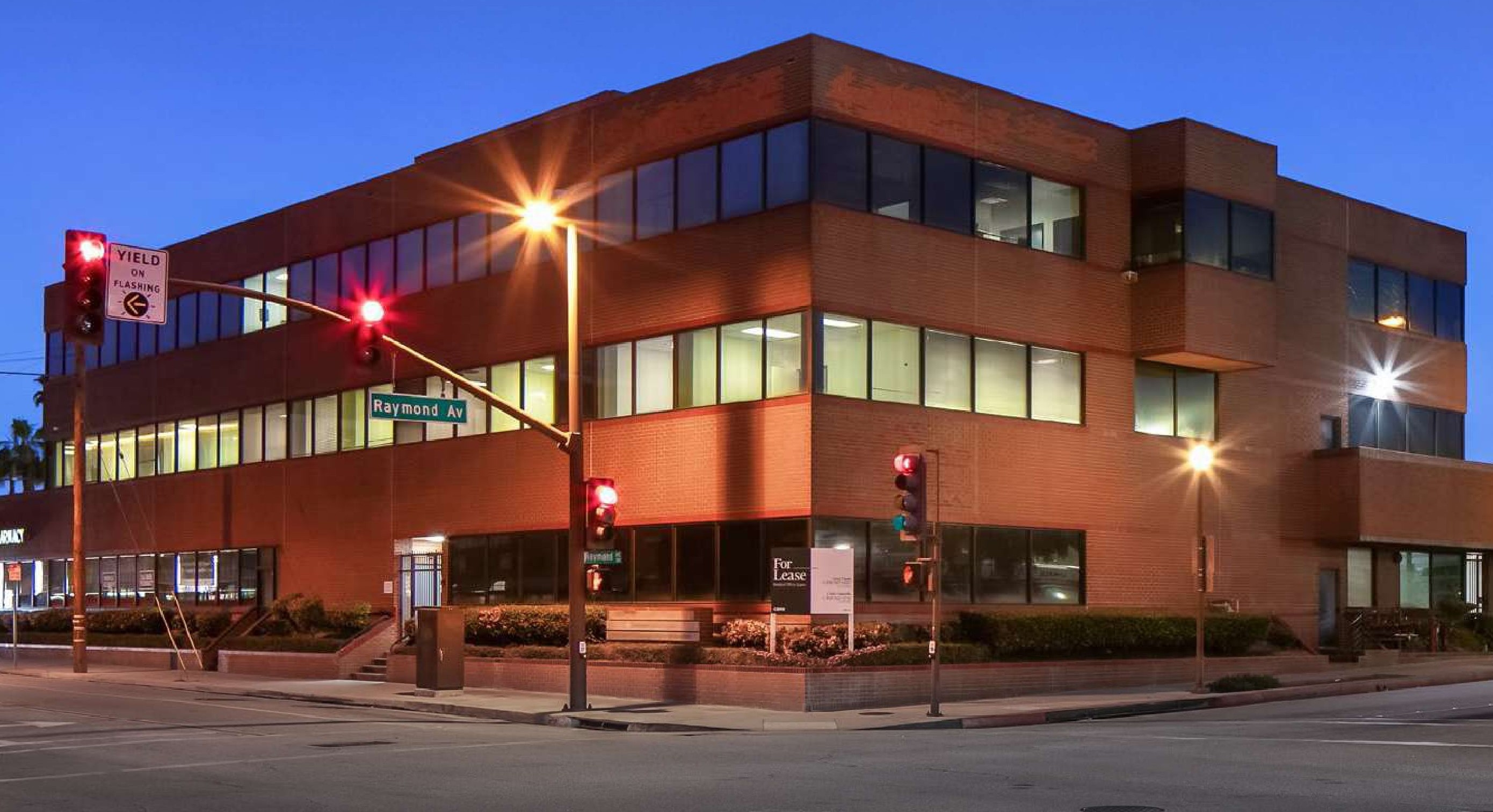 Meridian Acquires Medical Office Building in Pasadena, CA