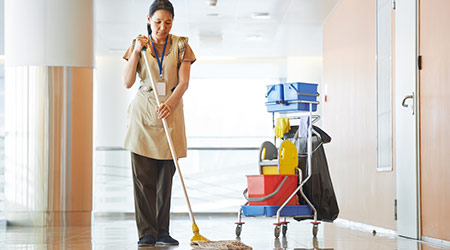
It’s not a surprise that there are germs in healthcare facilities, but according to an article on the Readers Digest website, there are certain places and things where cleaning is particularly crucial.
• Almost everyone in a hospital has to touch the door handles. Studies have suggested that up to 30 percent of door handles may be contaminated.
• Similarly, people are constantly using a hospital’s elevators, and any germs they have on their hands can be transferred to the call .
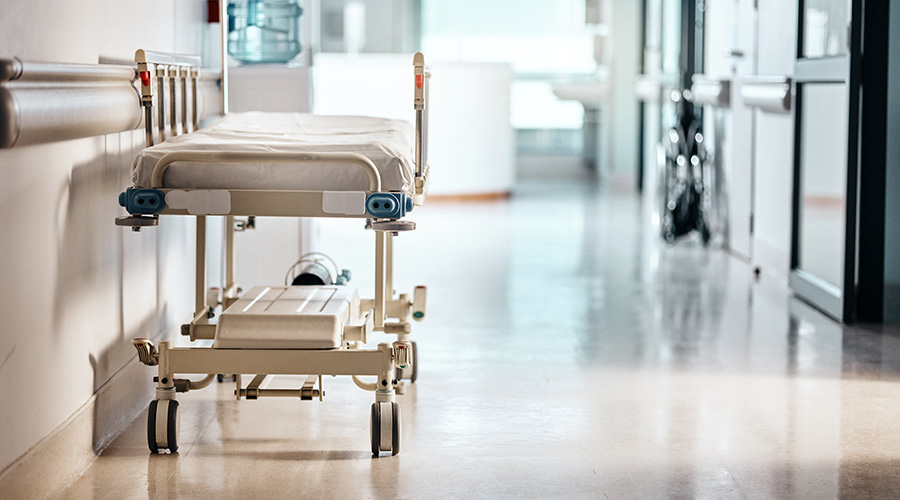
• Bedrails are also hot spots for contamination, as they are sometimes not cleaned during a patient’s stay in the hospital.
• Faucets in a hospital bathroom are frequently contaminated with fecal matter and other bacteria from droplets expelled from open toilets during flushing. But even the faucets not found in restrooms can be germ magnets.
• Out in the waiting room, the visitors’ chairs are collecting their own bacteria. Research on hospital furniture and equipment found that a risky level of antibiotic-resistant bacteria.
 Sustainability as a Baseline in Healthcare Facilities
 Penobscot Valley Hospital Reports Data Security Incident
 Ballad Health Acquires Land for Future Unicoi County Hospital
 Why Healthcare Facilities Management Is Critical to Patient Safety
  Brookdale Senior Living Announces Acquisition of the Brookdale Galleria Community