
Like much of the last 12 months, 2021’s tornado season is set to be unpredictable.
Scientists project a more abrupt and active tornado season this year due to La Niña, a weather pattern marked by cooler water in the Pacific Ocean that causes severe weather and high tornado activity. Many scientists are predicting that 2021 could rival the 2011 super outbreak, also caused by La Niña, that resulted in one of the worst U.S. tornado outbreaks ever recorded.
Tornado season runs from February to March in the South and April to June in the Great Plains and Midwest. It is an annual occurrence that healthcare facilities must be protected against and prepared for, and this year is no exception.
Learn the key steps healthcare facilities should take now to ensure staff can act quickly at a time when every second counts.
One essential step is to prepare the staff. The first thing managers can do to prepare a facility is to make sure associates are prepared – not just at your facility, but in their own lives. Provide employees with personal emergency response plans that they can share with their families, friends and neighbors to bring them peace of mind during a disaster so they can maintain focus on taking care of patients.
This safety and emergency toolkit (SET) should include an emergency supply checklist with items such as flashlights, extra clothes, whistles, important paperwork, first aid kit, water — 1 gallon per person per day, a three-day supply — maps, hygiene products, and one warm blanket per person. Additionally, add emergency-specific points to review so families and friends are prepared for an array of emergencies.
For tornadoes, include the following:
- Keep a list of outdoor items that must be secured in high wind conditions.
- Listen to the radio or TV for information.
- Stay indoors — below ground if possible — and keep away from windows and glass unless told to evacuate.
- Close interior doors, brace exterior doors and keep blinds closed.
- Take refuge in a small interior room, closet or hallway on the lowest level.
- Lie on the floor or under a sturdy object, such as a table, to protect from falling debris.
Finally, ensure the team frequently updates a phone list in the plan with emergency family, school or work contacts. Have them practice their SET plan with their loved ones to make sure it works and that every person understands their responsibilities. By putting associates first and ensuring they know their families are safe in an emergency, they can then properly care for the patients that need it most.
Scott Cormier is the vice president of emergency management, environment of care and safety with Medxcel, specializing in facilities management, safety, environment of care, and emergency management and provides healthcare service support products and drives in-house capabilities, saving and efficiencies for healthcare organizations that, in turn, improve the overall healing environment for patients and staff. Cormier leads the development and implementation of emergency management, general safety and accident-prevention programs for a national network of hospitals.
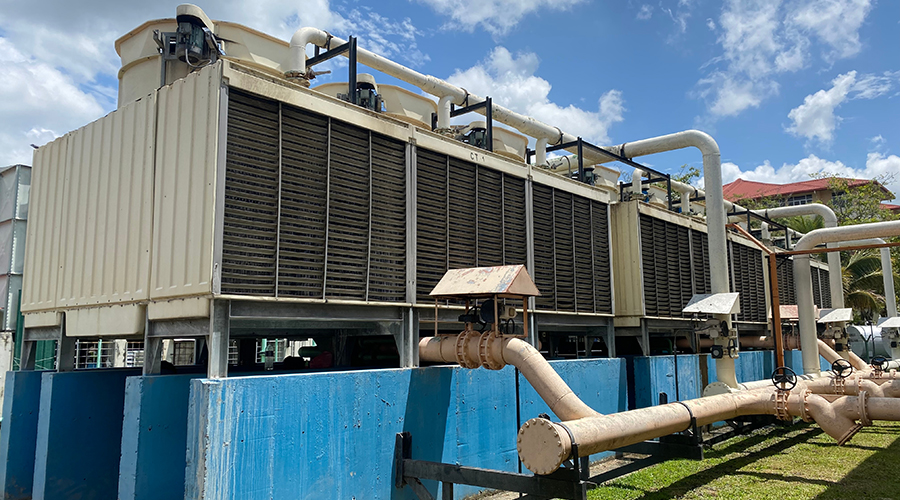 Cooling Towers at NYC Health + Hospitals/Lincoln Test Positive for Legionella
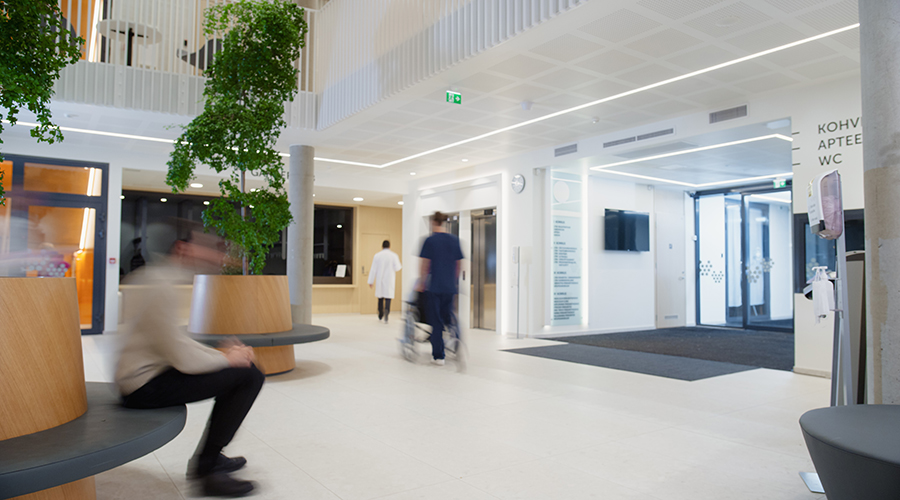 Prefabricated Wall Panels Accelerate UCF Lake Nona Medical Center Construction
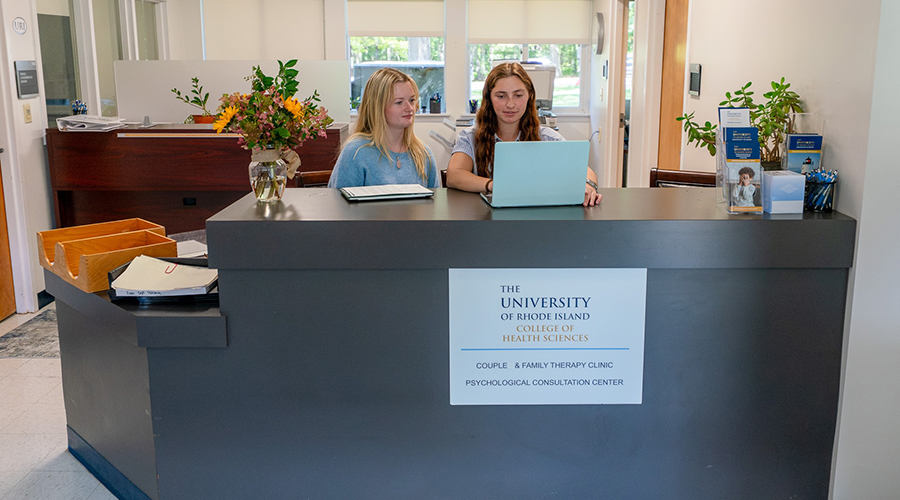 University of Rhode Island Adds Clinical Space
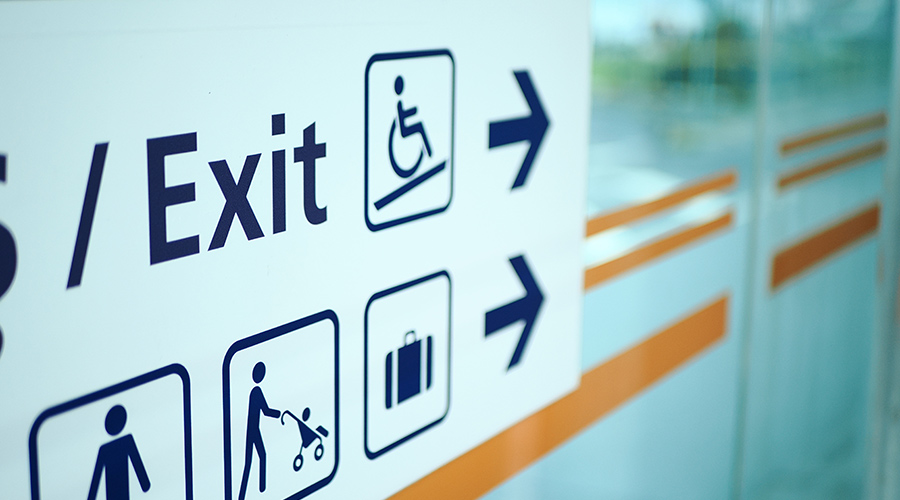 How Retail Design Principles Can Improve Healthcare Wayfinding
 Flexible Design Strategies Help OhioHealth Maximize Clinical Space