
As healthcare organizations grapple with tightening margins and growing pressure to justify capital and technology investments, facilities leaders are increasingly expected to deliver measurable ROI. Technology can play a critical role, but only if it is deployed strategically.
Healthcare Facilities Today spoke with Matthew Coursen, U.S. healthcare lead – leasing advisory at JLL, to outline where facilities teams should start, how leaders can use data to guide ambulatory growth decisions, and which improvements can improve patient satisfaction without major renovations.
HFT: Where should facilities teams start if they want technology investments — like predictive maintenance or portfolio management tools — to deliver measurable ROI?
Matthew Coursen: The first place to start is the data management process — aggregating portfolio data into a software platform that can summarize obligations, track critical dates and expenses and make it easy to search, query and generate reports for organizational leadership. Making sure the portfolio data is accurate and housed in a user-friendly system reduces the human error that often comes with manual portfolio management and increases visibility and transparency for leadership.
The second area is working closely with a facilities management team that uses software to manage work orders, vendors, capital planning and expense management across the system, at both on- and off-campus locations. This approach streamlines operations, reduces waste and expenses and creates a standardized process for managing vendors and work orders.
The third is using technology to support compliance — whether that’s Joint Commission requirements or other regulatory obligations across the enterprise, both at the individual site level and systemwide. Technology is a critically important tool for reducing risk and increasing visibility for leadership within the real estate function.
Related Content: How Health Systems Are Rethinking Facilities Amid Margin Pressure
HFT: How can facilities leaders better use utilization, demographic and performance data to guide decisions about ambulatory expansion or asset divestment?
Coursen: The best way to do it is to work with a real estate advisor that has access to software sophisticated enough to analyze multiple disparate data sets — from claims data and demographics to patient volume, real estate data and payer mix. That information is then combined with what the health system or hospital can provide, including patient data, network information and market share data they already capture.
It is really about taking a comprehensive look at all of that data, along with clinic performance, to build a sophisticated network strategy that helps the organization reach its long-term goals and meet patients where they are.
HFT: What practical, facility-driven improvements have you seen make the biggest impact on patient satisfaction without requiring major renovations?
Coursen: Number one is using technology to ease the patient check-in process, which has led to higher patient satisfaction scores for many practices. The second is wayfinding and signage that are easy to understand and read, and that help lower patient stress as they try to find the front door of the clinic.
The third — and probably the biggest — is parking. While it is obviously difficult to change the parking situation at an existing building, site selection for a new or relocated facility is critical. Having a parking field or garage that is very close to the front door, convenient, safe, and in some cases covered for drop-off and pick-up, plays a major role in the patient experience. That is how patients arrive, and it is their first impression. Those are the three biggest ways a healthcare organization can positively impact the patient experience without a tremendous financial investment.
Jeff Wardon, Jr., is the assistant editor of the facilities market.
 Extreme Weather: The Maintenance-Resilience Link
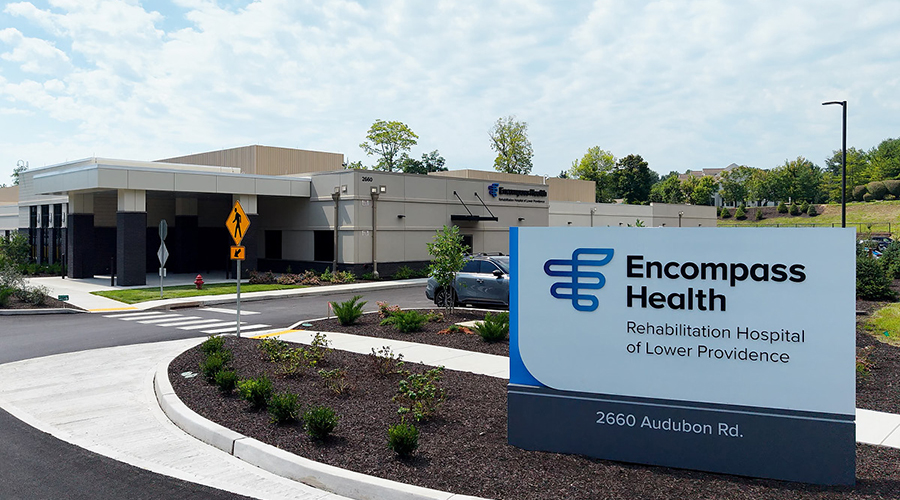 Encompass Health Lower Providence Opens in Pennsylvania
 Intermountain Health Acquires Fairbourne Building for Healthcare Hub and Medical Campus Conversion
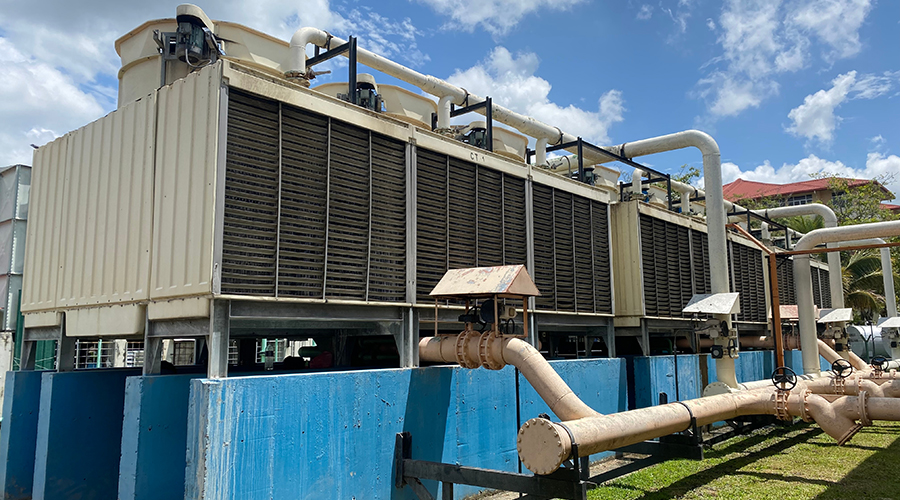 Cooling Towers at NYC Health + Hospitals/Lincoln Test Positive for Legionella
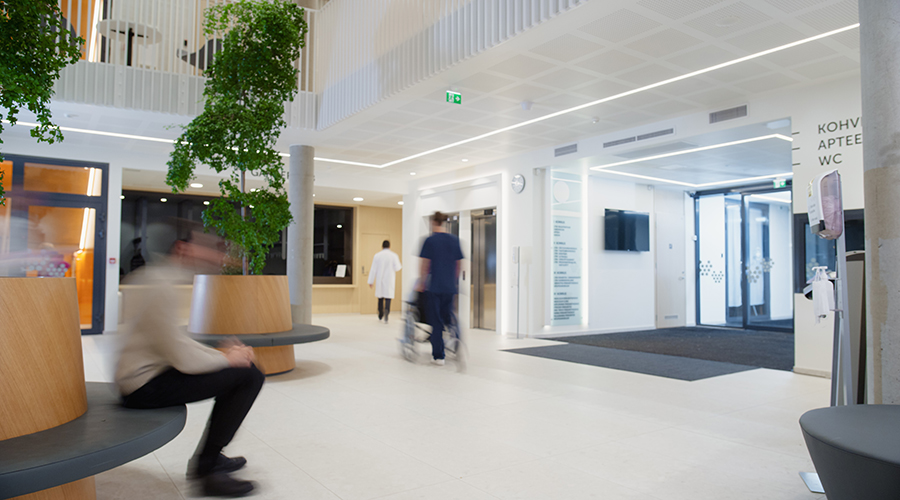 Prefabricated Wall Panels Accelerate UCF Lake Nona Medical Center Construction