
Healthcare systems are struggling 24/7/365 to protect valuable patient and research data from skyrocketing cyber attacks. But even as IT managers seek to protect their technology and data, their organizations are installing and expanding new-generation technology in an effort to enhance operations and revenues.
For example, the U.S. Department of Veterans Affairs (VA) is expanding 5G coverage into more health systems across the United States, according to Health Facilities Management. California-based VA Palo Alto Health Care System became the VA’s first 5G hospital with the installation of a portable 5G network solution in its education building. Now, VA Puget Sound Health Care System in Seattle is working toward an industry-first deployment of 5G and multi-access edge computing (MEC) capabilities across its healthcare and training facility.
Health systems like the VA are beginning to turn to 5G infrastructure to support mobile-to-mobile connectivity between medical devices, and greater use of augmented reality and virtual reality tools to support medical training, among other use cases. These advanced tools require greater data transfer rates to support the large amounts of information transmitted across devices.
 Elevating EVS Professionals: The Case for Certified Hygiene Specialists
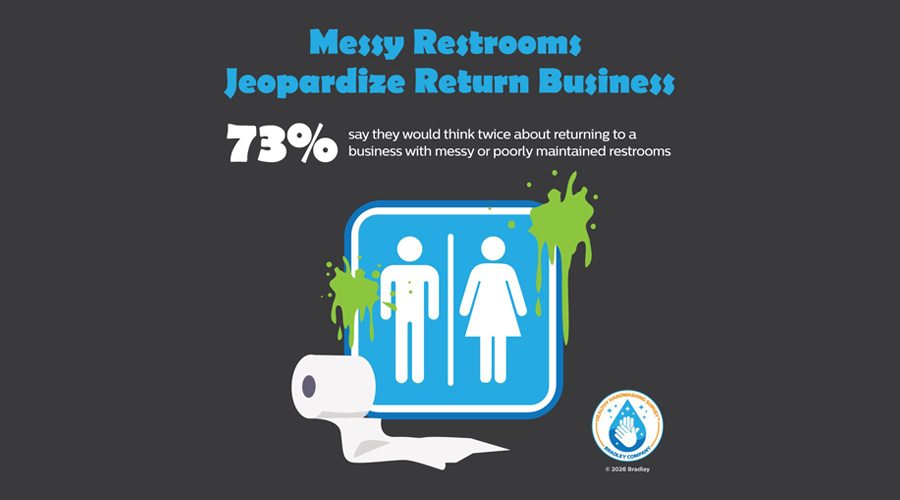 Global Handwashing Day and the Importance of Well-Maintained Restrooms
 Duke Health and CaroMont Health Partner to Develop Two New Hospitals
 Designing for the Psychology of Waiting
 UT Health Sciences Breaks Ground on College of Medicine Interdisciplinary Building