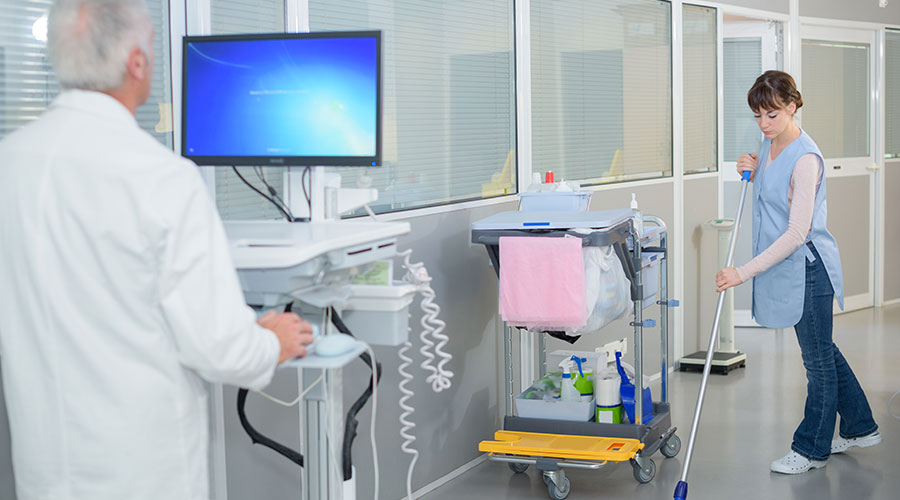
I stumbled through high school with no practical use for biology or chemistry classes. To me, they did not have anything to do with real life. If I only knew then what I know now.
Real life now means bacteria, viruses and fungi. Real life means infection. Real life is a worldwide pandemic that kills millions of people. Knowing how to fight the agents of disease is important to anyone who wants to clean for health, not just for appearance.
Numerous studies have demonstrated that pathogens like Clostridioides difficile, norovirus and multidrug-resistant organisms (MDRO) can survive on hospital surfaces for days or weeks. Inadequate cleaning or disinfection allows these organisms to persist, increasing the risk of patient exposure and subsequent infection.
Despite the acknowledged importance of environmental hygiene, several challenges persist:
Inconsistent practices. Variation in cleaning protocols, staff training and adherence can result in uneven disinfection and cleaning efficacy among hospital units and even in the same facility.
Resource limitations. Hospitals face constraints in staffing, cleaning supplies and access to advanced disinfection technologies, all of which can undermine infection prevention efforts.
Knowledge gaps. Not all healthcare workers or cleaning staff are fully aware of the latest best practices or the importance of thorough environmental cleaning.
Monitoring and feedback. Insufficient monitoring of cleaning processes and a lack of feedback can hinder the identification and correction of lapses in protocol.
Infection prevention and control standards for environmental services departments should address a systematic approach to surface cleaning and disinfection, which is essential for preventing the spread of healthcare associated infections (HAI). Hospitals must establish clear, evidence-based protocols that outline the frequency and methods for cleaning high-touch and low-touch surfaces.
These protocols should specify: which surfaces require routine cleaning and which need disinfection; the cleaning products and disinfectants to be used to ensure they are effective against hospital pathogens of concern; the proper dilution and contact times for disinfectants to achieve optimal efficacy; and the personal protective equipment (PPE) required for cleaning staff.
Hospitals also should provide regular training and competency assessments for environmental services staff, focusing on: understanding the transmission of HAIs and the importance of environmental hygiene; correct cleaning and disinfection techniques, including the use of color-coded cloths and mops to prevent cross-contamination; safe handling and application of cleaning agents and disinfectants; and proper donning and doffing of PPE.
The benefits of effective environmental hygiene are well-documented. Hospitals that have invested in rigorous cleaning and disinfection programs have seen: significant reductions in rates of C. difficile, MRSA and other HAIs; decreased outbreaks and improved patient outcomes; higher patient satisfaction and confidence in the safety of care provided; and cost savings by reducing extended hospitalizations and additional treatments required for infection management.
To ensure safer care environments, healthcare organizations must start with the basics — not just investing in machines or infrastructure but in the people who make the system work every day.
J. Darrel Hicks, BA, MESRE, CHESP, Certificate of Mastery in Infection Prevention, is the past president of the Healthcare Surfaces Institute. Hicks is nationally recognized as a subject matter expert in infection prevention and control as it relates to cleaning. He is the owner and principal of Safe, Clean and Disinfected. His enterprise specializes in B2B consulting, webinar presentations, seminars and facility consulting services related to cleaning and disinfection. He can be reached at darrel@darrelhicks.com, or learn more at www.darrelhicks.com.
 The Future of Healthcare Facility Construction Projects
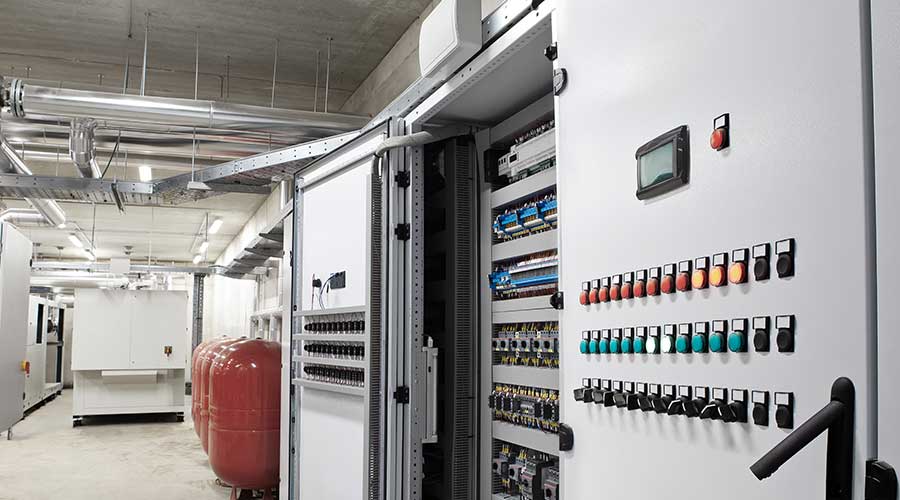 Arnprior Regional Health Upgrades Building Controls to Improve IEQ
 Next Level Medical Suffers a Data Breach
 Extreme Weather: The Maintenance-Resilience Link
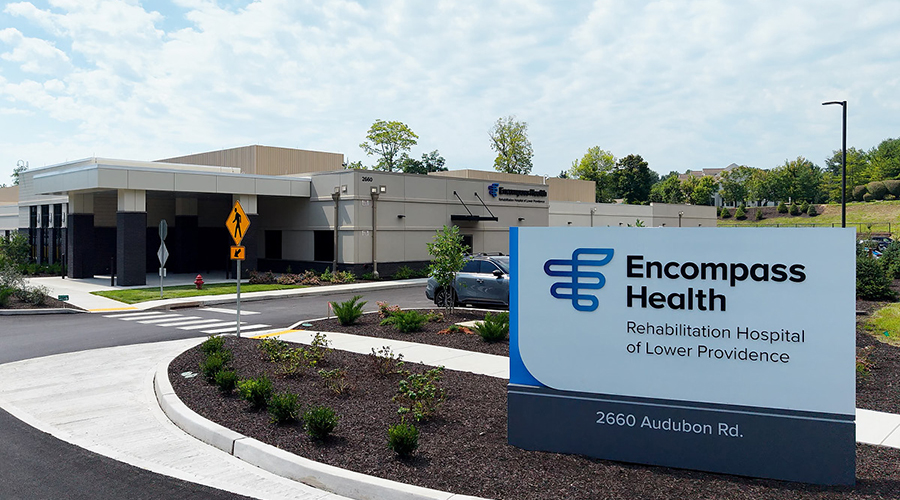 Encompass Health Lower Providence Opens in Pennsylvania