Key Takeaways:
- Despite advances in telehealth and digital check-in, waiting rooms remain a vital part of the healthcare experience because technology adoption is uneven and many patients still need in-person assistance and reassurance.
- Modern waiting areas should support a wide range of patient needs by incorporating accessible seating, workspaces, quiet areas, family-friendly spaces and thoughtful design that enhances comfort and inclusivity.
- As healthcare technology evolves, the most effective reception spaces will blend digital convenience with human interaction, recognizing that personal connections and a welcoming environment remain essential to patient satisfaction.
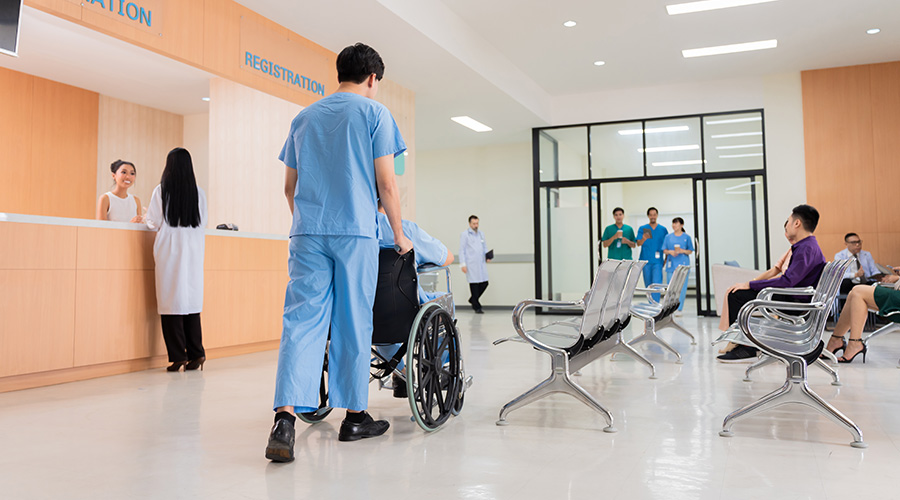
Telehealth and digital check-in tools have transformed many aspects of healthcare facilities. Despite predictions that these technologies would make waiting rooms unnecessary, reception and waiting spaces actually remain an essential part of the patient experience.
Healthcare’s digital transformation is still a work in progress, making waiting rooms still necessary. Many health systems continue to struggle with disconnected platforms, Jennifer Kenson, principal of interior design at FCA says.
“I can remotely check in, but then when I get there, I have to still check in,” she says. “Even though I’ve already done it. So, then I need a place to wait.”
Technology adoption varies widely between healthcare organizations. While some systems have implemented sophisticated digital workflows, others are limited by budget constraints or partnerships with outside providers that don’t fully integrate with existing electronic medical records.
Digital equity is another factor shaping the future of waiting rooms. Although many patients are comfortable managing appointments through their phones and patient portals, not everyone is on the same level.
“There’s been an overestimation in people’s digital literacy,” Kenson says. “That digital check-in kiosk is always going to need a human backup. Because some people need someone there to kind of hold their hands.”
For designers, that means reception areas cannot simply become rows of self-service kiosks. They must continue to support personal interaction while integrating new technology in ways that reduce stress.
Older adults may require more assistance navigating healthcare facilities and using digital tools, making thoughtful design increasingly important. Furniture with supportive arms and appropriate seat heights can improve accessibility for individuals with limited mobility, while wider clearances accommodate walkers and wheelchairs.
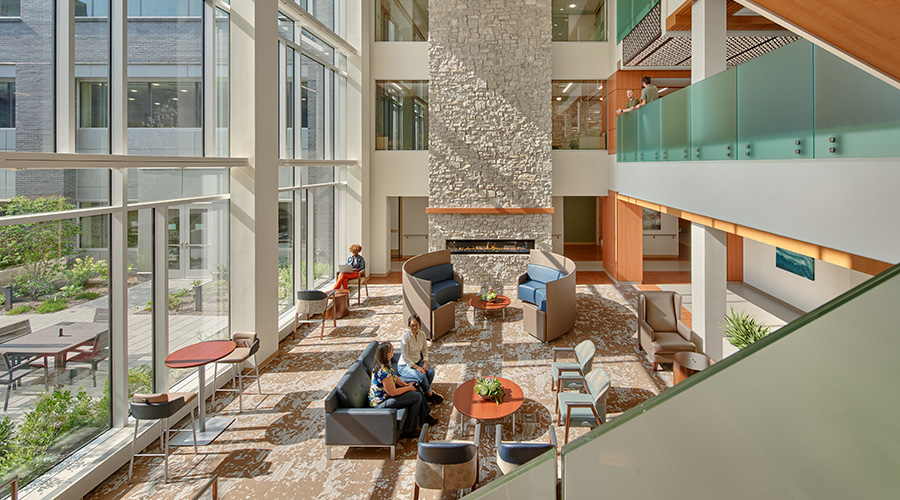
At the same time, waiting rooms are being asked to serve more purposes than simply providing seats.
“I think the waiting rooms need to do more for the waiting process,” Kenson says. “They need a workspace for people to pull out their laptops, charge their phones, check emails. I think sometimes they need a dining space. They need private and quieter zones for people that are neurodiverse. And larger spaces for bigger families coming to check on sick or injured family members.”
First impressions also remain critical. While digital tools have the capability of streamlining administrative tasks, the physical environment continues to influence how patients perceive the quality of care. Walking into a clean and orderly environment helps patients feel more relaxed and confident from the front door forward.
As artificial intelligence and automation continues to advance, waiting rooms will likely become more efficient. Better integration between scheduling platforms and electronic health records may eventually eliminate redundant check-in processes, but technology alone cannot replace the people.
“I think it is definitely about that human connection,” Kenson says. “People just feel comfortable acknowledging that they’re in the right place... Those connections in waiting spaces knowing someone may be going through the same thing, you can’t replace that with technology.”
Elaina Myers is the assistant editor of the facilities market. She has covered various topics from pest management to resilience to sustainability and is the beat writer for special days. She also runs the FacilitiesNet social media accounts.
 Elevating EVS Professionals: The Case for Certified Hygiene Specialists
 Global Handwashing Day and the Importance of Well-Maintained Restrooms
 Duke Health and CaroMont Health Partner to Develop Two New Hospitals
 Designing for the Psychology of Waiting
 UT Health Sciences Breaks Ground on College of Medicine Interdisciplinary Building