
A 12-month study mapping bacterial diversity within a hospital should help healthcare facilities understand how to encourage beneficial microbial interactions and decrease potentially harmful contact, according to an article on the Science Life website.
The study focuses on the flow of microbes between patients, staff and surfaces.
The study has created a detailed map of microbial exchange and interaction in a large hospital environment. It describes the ecology of a building — "a thriving microbial ecosystem that regularly interacts with patients in a seemingly benign way." It offers a framework showing how microorganisms enter and colonize a hospital environment.
The investigators swabbed each patient’s hand, nostril and armpit, as well as the surfaces patients may have touched, such as bedrails or faucet handles. They collected additional room samples from multiple surfaces, including the floor and the air filter. Each room was cleaned daily, with a more extensive cleaning after each patient’s discharge.
 Cyberattack Results in Patient Reroutes at Anne Arundel Medical Center
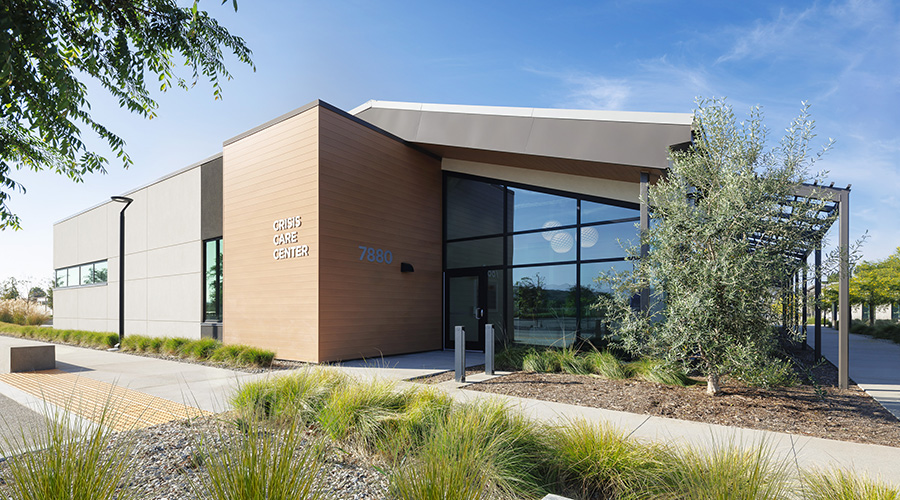 Tangram Furnishes Be Well OC Irvine Behavioral Health Campus
 Suntree Internal Medicine Reports Data Breach
 Why Healthcare Facilities Management Is Critical to Patient Safety
  Sanford Health and North Memorial Health Finalize Partnership