
Candida auris can be difficult to get rid of and part of the problem is that hosts shed it via skin cells, according to an article on the Contagion Live website.
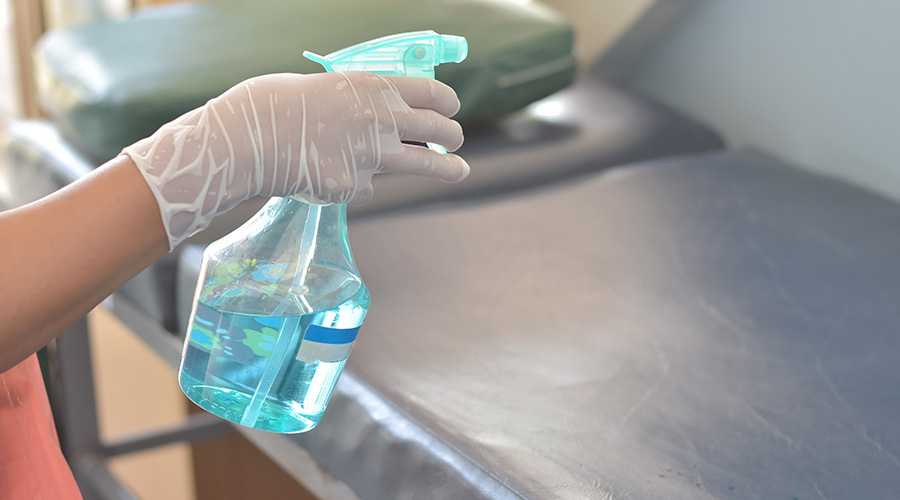
Once shed, the pathogen can live for weeks on dry surfaces. It may remain even after surfaces are disinfected.
The risk of contracting C auris is low for most people, even those who reside in traditional nursing homes. Most concerning are the outbreaks at long-term facilities.
As of April 30, the Centers for Disease Control and Prevention had identified 654 clinical cases of C auris, primarily in New York City, New Jersey and Chicago.
 Elevating EVS Professionals: The Case for Certified Hygiene Specialists
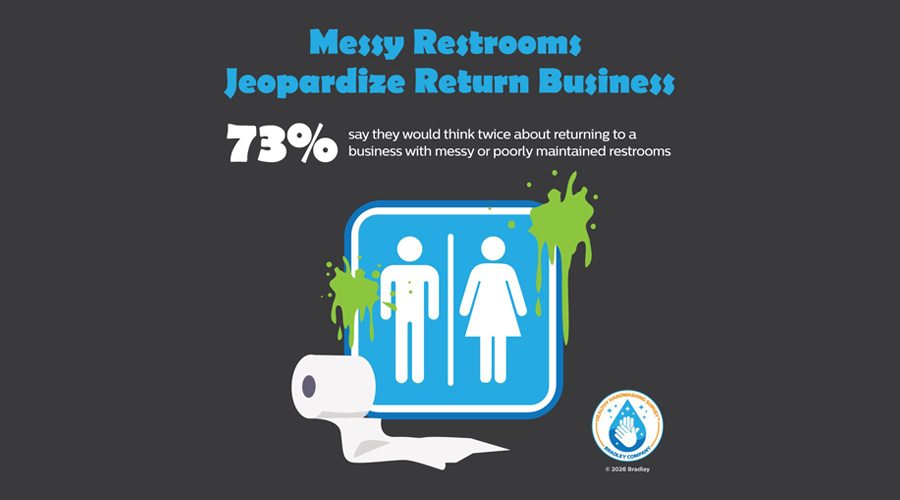 Global Handwashing Day and the Importance of Well-Maintained Restrooms
 Duke Health and CaroMont Health Partner to Develop Two New Hospitals
 Designing for the Psychology of Waiting
 UT Health Sciences Breaks Ground on College of Medicine Interdisciplinary Building