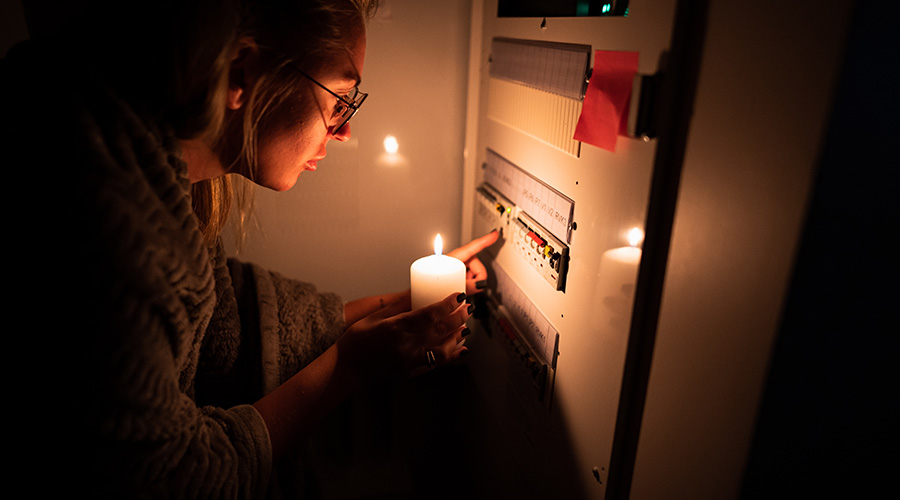
Power outages can have a detrimental impact on buildings. In hospitals and other healthcare facilities, a power outage is even more worrisome as lives could be at risk.
Nearly half of power outages were related to extreme weather events in 2025, a study by J.D. Power found. According to the report, the events were so violent that 17 percent of customers had to evacuate their homes or workspaces.
Over $131 billion in global losses were largely contributed by the weather events, putting additional strain on facility managers who are already dealing with an uncertain economy.
The average length of a power outage has increased since 2022. The South reports the longest outages at 18.2 hours, followed by the West with 12.4 hours in average length.
However, when the Southern United States experience a severe weather event, the energy ramifications are higher compared to other regions. According to the report, customers in the South experienced more electricity loss by 77 percent after an extreme weather event. The South also has the most property damage (36 percent) and the second-highest rate of evacuation (17 percent).
Related Content: Backup Power Is a Lifeline: What Healthcare Facility Managers Must Get Right
Meanwhile, the Western region of the country’s power outage was largely contributed to wildfires. According to the report, 6 percent of the region experienced an outage due to a proactive shutoff by utility companies.
In the event of a power outage, building occupants are searching for reliable and accessible channels to get information. According to the report, 44 percent of respondents want electric safety information directly from the utility provider on how to help prepare for an extreme weather event. In addition, 35 percent of respondents want to know what to do in the event of an extensive outage.
Having backup power is essential within healthcare facilities. However, these needs vary depending on the type of healthcare facility, state and code requirements. While most hospitals have generators – and sometimes a backup generator – ready to be used in the event of a power outage, senior care facilities or other long-term care facilities often have limited to no backup systems. With extreme weather events becoming more consistent, it is up to facility managers to work with their electricity provider to find a way to control what they can. The report suggests starting with a better flow of information before and after an extreme weather event.
Mackenna Moralez is the associate editor of the facilities market and the host of the Facilities in Focus podcast.
 Ambulatory Care Facilities Reshape FM Strategies
 Intermountain Foundation Receives $150M Gift for Children's Hospital in Nevada
 Texas HHSC Reaches Construction Milestone for Wichita Falls State Hospital
 Preparing Healthcare Facilities for Wildfire Air Quality Events
 UW Health Set to Open Expansion at East Madison Hospital