
As if a pandemic isn’t enough.
Even as a continuing stream of COVID-19 cases test the limits of resources and resilience of healthcare organizations, IT managers also need to be aware of another growing threat — cyber attacks.
The FBI, CISA and HHS recently urged the healthcare industry to stay on high alert for malware, especially ransomware attacks. The latest ransomware strikes hit more hospitals than previously known, and the culprit in almost every case appears to have been Ryuk, according to Security Boulevard.
US-CERT advisories also have been issued, specifically about threats originating from Iran and China. Iranian threat actors are targeting VPN vulnerabilities – a high-risk point for the healthcare telework community.
The authorities advise managers to take all necessary precautions to guard their networks. Hundreds more hospitals could be at risk, especially since they already are under stress from the COVID-19 pandemic.
Click here to read the article.
 The Future of Healthcare Facility Construction Projects
 Arnprior Regional Health Upgrades Building Controls to Improve IEQ
 Next Level Medical Suffers a Data Breach
 Extreme Weather: The Maintenance-Resilience Link
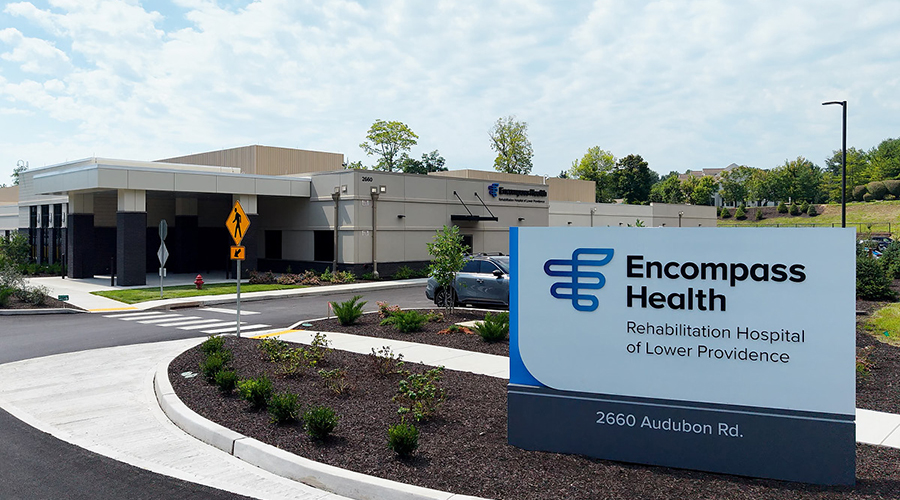 Encompass Health Lower Providence Opens in Pennsylvania