As COVID-19 continues to upend the commercial real estate market, one sector has proven immune: healthcare. U.S. health expenditures are projected to continually increase, making medical facilities in high demand. However, how most patients will access these facilities is changing, according to a premium article on FacilitiesNet.com.
The pandemic forced many patients to use virtual visits to safely see their healthcare provider. Now with telehealth commonplace, this trend will continue even after the coronavirus threat declines. One healthcare facility management firm estimates that 20 percent of future medical visits will be done virtually.
But the rise of telehealth will not impact the demand for, or size of, healthcare facilities. Instead, the technology will supplement patient care. For example, initial consultations may be done virtually, but then future appointments handled in person at the facility. Another example could be eliminating or reducing the size needed for patient waiting areas and using technology to check patients in.
Click here to read more about the healthcare market, in addition to other real estate sectors (access to the article requires a fnPrime membership).
 Harris Health to Build New Freestanding Cancer Center
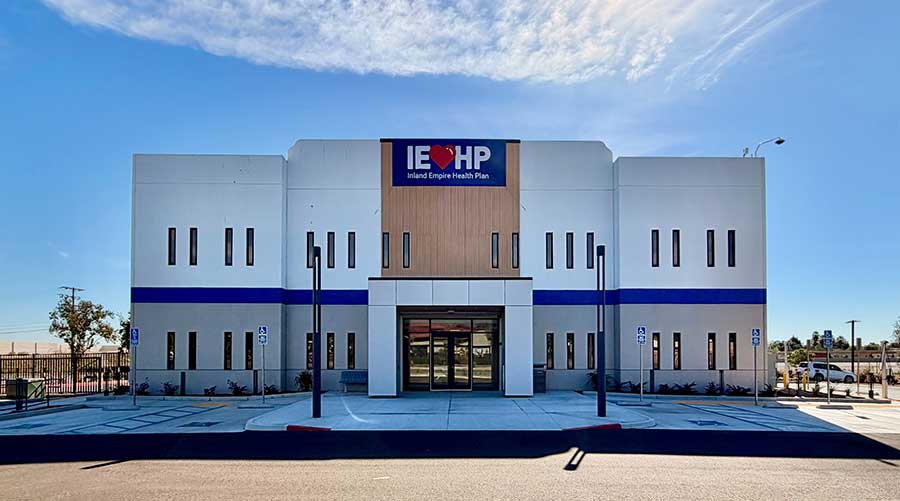 Inland Empire Health Plan Opens Expanded San Bernardino Community Wellness Center
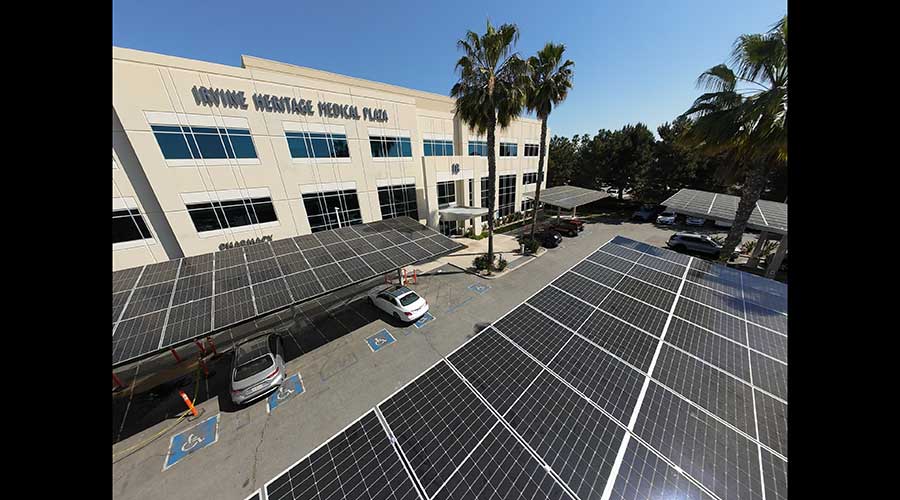 Rethinking Parking Lot Design at Irvine Heritage Medical Plaza
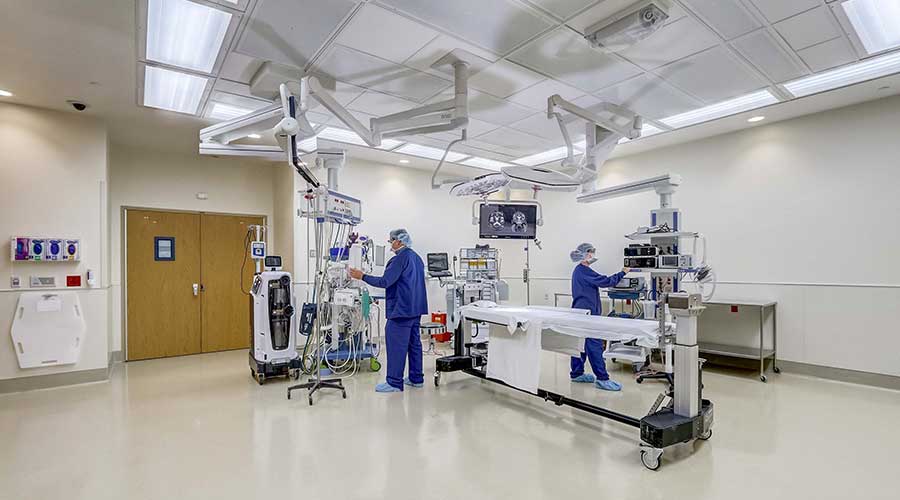 Repurposing Healthcare Spaces: 5 Critical Questions
 Disinfectant Contact Time: The Case for Biofilm Disruption