The numbers related to cyber attacks on healthcare IT systems are staggering: 39,213 patients notified by a Dallas-based laboratory testing provider that it had been hacked by an unauthorized party; and 45,000 patients of Covenant HealthCare recently notified that an unauthorized individual gained access to two employees' email accounts, potentially exposing vital information.
What can IT managers do to protect thor organizations’ vital information? Smaller medical facilities might be at greater risk because they did not have a decade to formalize their cybersecurity process, according to Becker’s Hospital Review.
Experts recommend these organizations take essential steps to enhance security and protection. For example, in terms of immediate measures, the first measures that should be implemented are ensuring a company's remote access channels and devices are secure. Ensure remote employees are only working on company-issued laptops. Employees should avoid public networks and use a private network. Antispam, antivirus and antispyware software should be up to date.
 Mature Dry Surface Biofilm Presents a Problem for Candida Auris
 Sutter Health's Arden Care Center Officially Opens
 Insight Hospital and Medical Center Falls to Data Breach
 The High Cost of Healthcare Violence
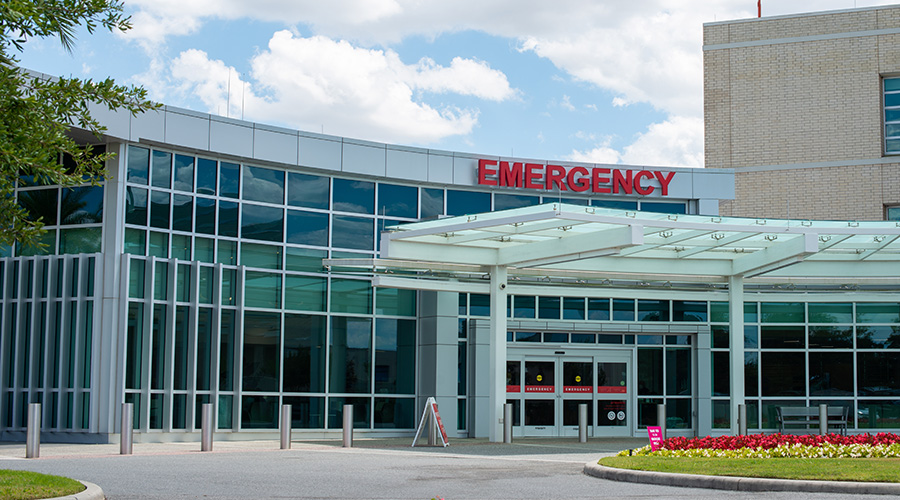 EVS Teams Can Improve Patient Experience in Emergency Departments