
Developed by the Lucile Packard Children’s Hospital at Stanford in Palo Alto, Calif.,the Triage by Resource Allocation for IN-patient (TRAIN) can be used to triage patients in mass evacuation, according to an article on the HCPro website.
The matrix is combined with the hospital’s electronic medical records system to allow quick assessment of patients and the types of transportation needed to evacuate them to safety. The matrix is also available in PDF form online.
Hospitals across California and other areas, including the Sharp Healthcare system in San Diego, have modified the matrix for use as part of their all-hazards preparation for emergencies, including wildfires.
The TRAIN toolkit is available through HHS Assistant Secretary for Preparedness and Response’ Technical Resources, Assistance Center, and Information Exchange (ASPR-TRACIE) collection of evidence- and experience-based resources for emergency management.
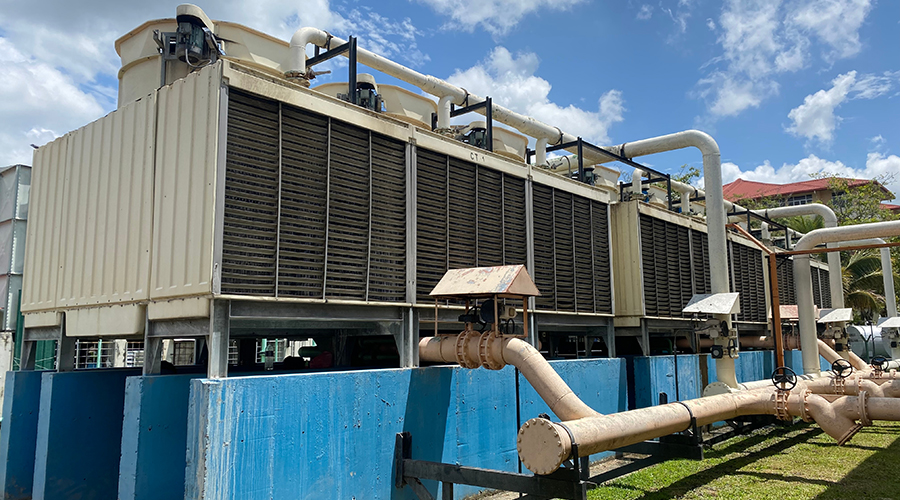 Cooling Towers at NYC Health + Hospitals/Lincoln Test Positive for Legionella
 Prefabricated Wall Panels Accelerate UCF Lake Nona Medical Center Construction
 University of Rhode Island Adds Clinical Space
 How Retail Design Principles Can Improve Healthcare Wayfinding
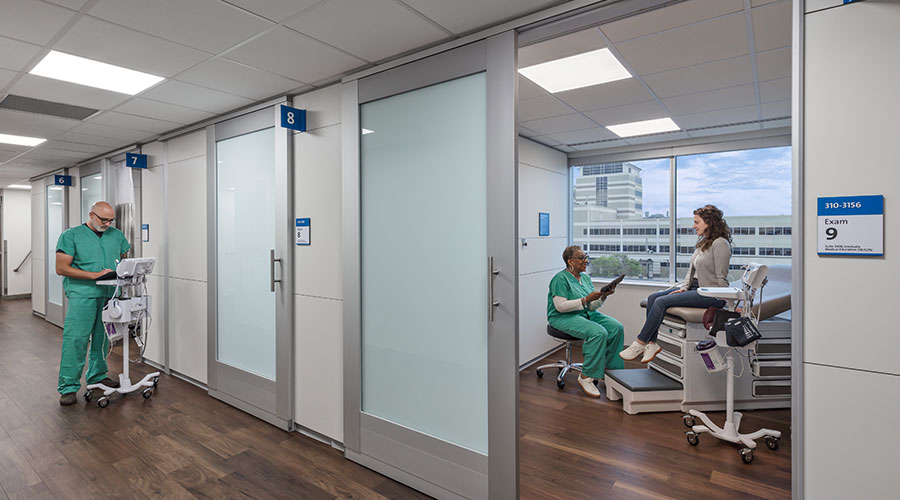 Flexible Design Strategies Help OhioHealth Maximize Clinical Space