
Every healthcare provider faces different challenges in meeting meaningful use (MU) requirements for electronic health records (EHRs), whether it’s Stage 1 or Stage 2, according to an article on the Healthcare Informatics website.
In a recent interview, Bruce Eckert, national practice director of the strategic advisory group at Beacon Partners, said that while he still sees some organizations struggling to deal with Stages 1 and 2 of MU, he suggests keeping an eye on the future.
"It’s also important to plan for Stage 3," Eckert said in the article. "In the drafts for Stage 3, there is a lot more emphasis on patient engagement and clinical decision support. Keeping those things in mind would be helpful now. There is plenty of concern out there now about the patient engagement requirement, and while I understand that, we need to recognize that it’s here to stay. As an industry, it’s time to accept that and focus on it."
 Emergency Preparedness: Building a Stronger Community
 Ground Broken on Lavine Bekenstein Cancer Hospital in Massachusetts
 Camden-on-Gauley Medical Center Reports Data Security Incident
 Elevating EVS Professionals: The Case for Certified Hygiene Specialists
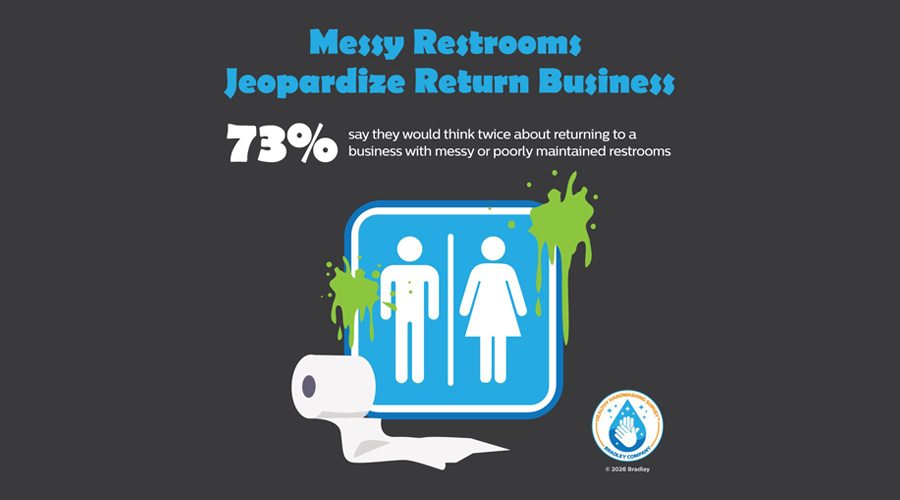 Global Handwashing Day and the Importance of Well-Maintained Restrooms