
For many healthcare facilities, growth and profitability will depend upon a realignment of infrastructure to support new technologies, according to an article on the DataQuest website.
Technologies that are making a big impact on today’s modern healthcare facility include radio frequency identification (RFID), real-time location systems (RTLS) electronic medical records (EMR), self-service tools and robotics.
RFID and RTLS technologies can help ensure the safety of the most vulnerable patients and give healthcare facilities with the ability to identify, locate, track and monitor patients, visitors, staff, assets and equipment.
Value is maximized for both patients and the healthcare facility when this technology is integrated with the facility’s security, energy, building and power solutions.
 Emergency Preparedness: Building a Stronger Community
 Ground Broken on Lavine Bekenstein Cancer Hospital in Massachusetts
 Camden-on-Gauley Medical Center Reports Data Security Incident
 Elevating EVS Professionals: The Case for Certified Hygiene Specialists
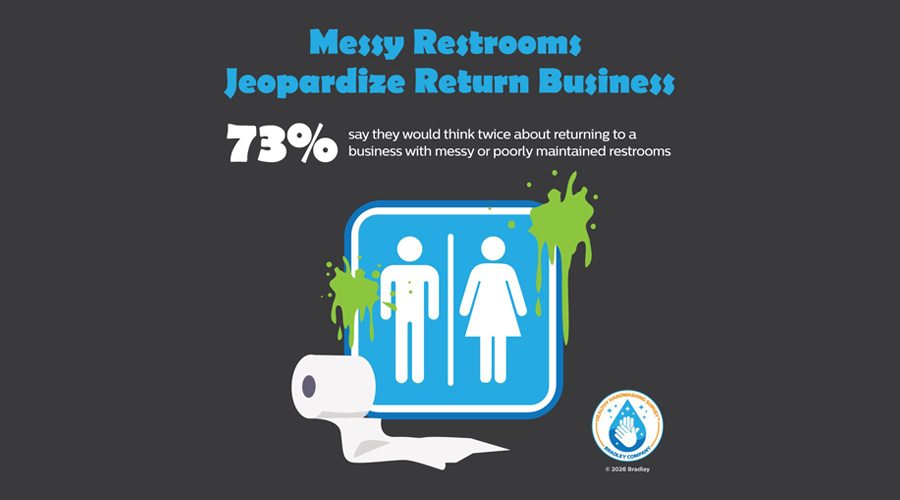 Global Handwashing Day and the Importance of Well-Maintained Restrooms