
Closing the toilet lid before flushing may help limit the spread of Clostridium difficile in patient rooms, according to an article on the Becker's Clinical Leadership and Infection Control website.
In the study published in Infection Control & Hospital Epidemiology, researchers collected bioaerosol samples from the bathrooms of 24 patients with C. difficile infections at the University of Iowa Hospitals and Clinics in Iowa City.
Of 72 samples collected before toilet flushing, 13 percent tested positive for healthcare-associated bacteria.
Twenty-six percent of samples taken after flushing tested positive for bacteria. The most commonly detected bacteria were Enterococcus faecalis, Enterococcus faecium, and C. difficile.
 Elevating EVS Professionals: The Case for Certified Hygiene Specialists
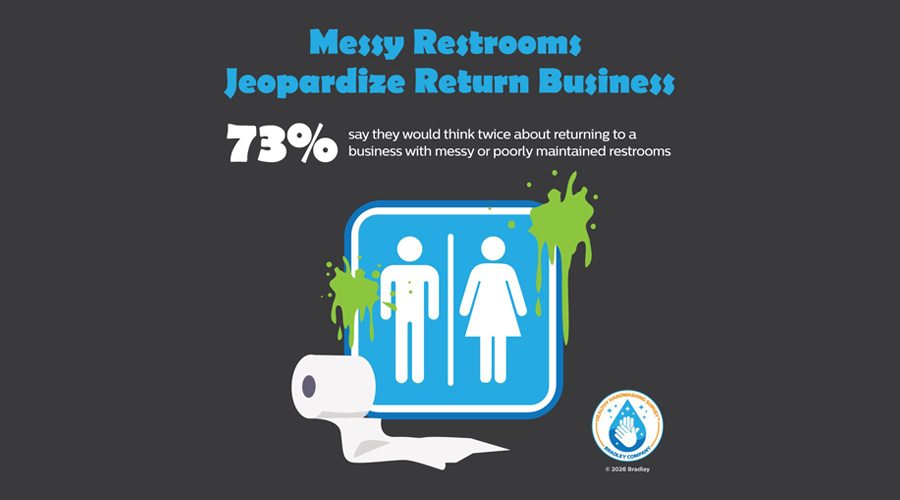 Global Handwashing Day and the Importance of Well-Maintained Restrooms
 Duke Health and CaroMont Health Partner to Develop Two New Hospitals
 Designing for the Psychology of Waiting
 UT Health Sciences Breaks Ground on College of Medicine Interdisciplinary Building