
Many hospitals and health systems are incorporating new technologies to better manage the supply chain. These facilities are beginning to get a better sense of which products are on their shelves at what times, their true costs and whether they work as intended for patients, according to an article on the Health Facilities Management website.
The trend is being driven — in part — by new regulations by the Food and Drug Administration (FDA) on tracking implantable medical devices. Hospitals are also seeking new ways to become even more efficient and responsible for the overall health of their patients in response to new Affordable Care Act directives.
These technologies include real-time location systems (RTLS) to manage and track medical equipment and enterprise resource planning (ERP) systems meld materials management, accounts payable, financials, human resources and other systems into one linked system.
Radio-frequency identification (RFID) tags can track and monitor products throughout a health system, and electronic data interchanges (EDI), transmit orders directly to a distributor.
 Emergency Preparedness: Building a Stronger Community
 Ground Broken on Lavine Bekenstein Cancer Hospital in Massachusetts
 Camden-on-Gauley Medical Center Reports Data Security Incident
 Elevating EVS Professionals: The Case for Certified Hygiene Specialists
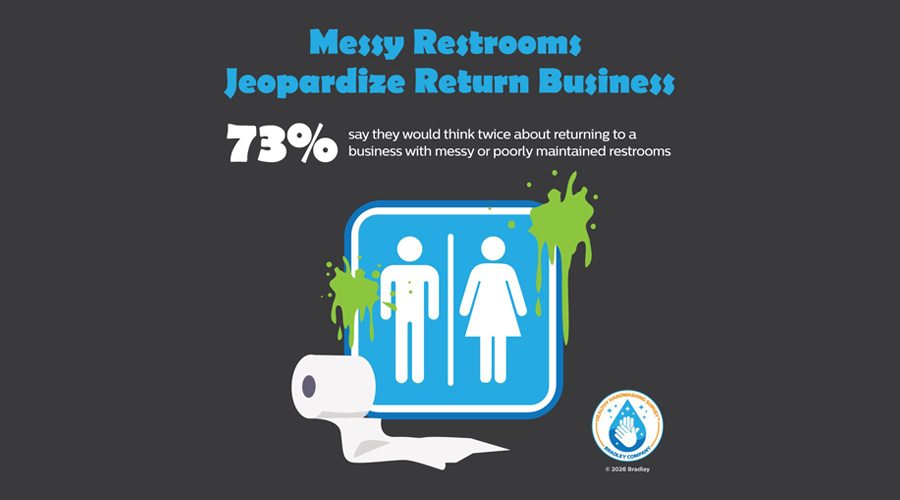 Global Handwashing Day and the Importance of Well-Maintained Restrooms