
A convergence of demographic shifts, clinical innovation and financial pressure is forcing healthcare organizations to take a more strategic approach to outpatient facility planning. As demand for specialized services continues to rise, medical outpatient buildings (MOBs) are becoming central to care delivery.
At the same time, reimbursement uncertainty and tightening hospital margins are prompting health systems to rethink how they deploy capital, manage real estate portfolios and expand their outpatient footprint. Healthcare Facilities Today spoke with Connie O’Murray, managing director of property management at JLL, explains how these forces are reshaping long-term planning, driving demand for more adaptable facilities and pushing organizations toward more disciplined, portfolio-based strategies.
HFT: How are demographic trends and the industry-wide shift toward outpatient care reshaping long-term planning for medical outpatient buildings (MOBs)?
Connie O’Murray: We’re really in the middle of a kina of perfect storm right now, and I mean that in the best way. About 8 out of 10 of the fastest growing healthcare service lines are outpatient focused. Things like endocrinology, psychiatry and physical therapy — these are services that each require ongoing outpatient management. It’s driven by everything like aging baby boomers and a general focus on health and wellness, especially with younger people.
Then, there are trends of pharmaceutical innovations like GLP-1 treatments, so there’s a lot of growth in MOBs based on demographics and industry trends. What that means for planning is that they’re basically not building facilities for today. Instead, they’re building and converting buildings fundamentally to support a different kind of delivery model, and the demographics are locked in.
Related Content: Outpatient Facilities Spur Opportunities for Facilities Managers
Clinic migration to outpatient settings is accelerating, so we’re working with our clients to create flexible platforms that can evolve as their care models change. This is rather than just rigid single purpose facilities. The key is building in adaptability from day one because the facilities that we’re needing in the future look different than what we have today.
HFT: With hospital margins under pressure and policy changes affecting reimbursement, how are health systems rethinking their outpatient expansion strategies?
O’Murray: There’s still a lot of unknowns there, but policy risk is really the primary cloud hanging over this sector right now. We need to be honest about that. For instance, the One Big Beautiful Bill Act introduced changes to Medicaid eligibility that, when combined with expired Affordable Care Act subsidies, have caused premiums to more than double year over year.
We’ve already seen marketplace enrollment down at almost 1.5 million people, and for rural hospitals this really constrains them especially because they have a lot more government payers. The $50 billion in the OBBBA only covers about 37 percent of projected spending cuts, and that’s huge. So, the pressure is real, and we’ve seen 92 rural hospital closures over the past 10 years.
With that said, hospitals are getting a lot more sophisticated with how they deploy their capital, so they’re not necessarily looking to own as much real estate. They also happen to represent almost half of the MOB leases that we tracked in 2025. They’re leasing a lot more space, and that’s up significantly since private practices with physicians have declined quite a bit — so it creates kind of an offset there.
Now they’re developing portfolio strategies, and we’re seeing a lot of that with our clients. This is because through mergers and growth, they have these unwieldy portfolios of real estate that they’re having trouble managing. From a facilities perspective, everyone’s looking to optimize those portfolios, and they’re being very selective about their expansion strategies. The discipline around that is much higher because the stakes are higher.
Jeff Wardon, Jr., is the assistant editor of the facilities market.
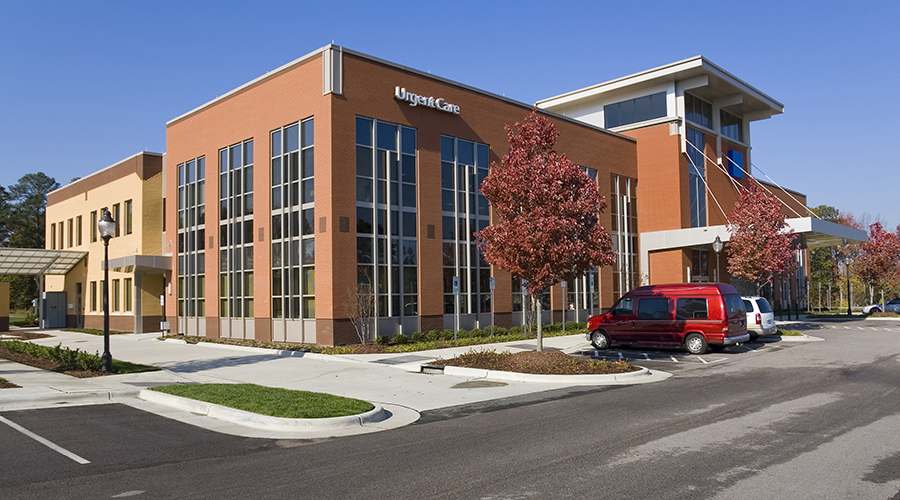 Medical Outpatient Buildings: 4 Trends Bringing Risk, Opportunity
 Building Senior Care Facilities for Harsh Temperatures
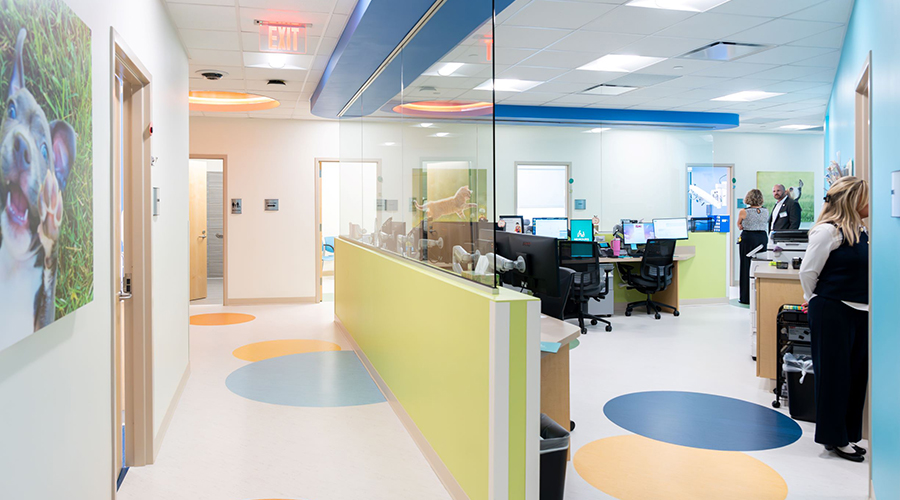 Nemours Children's Health Opens the Betty and Jack Demetree Family Center for Otolaryngology
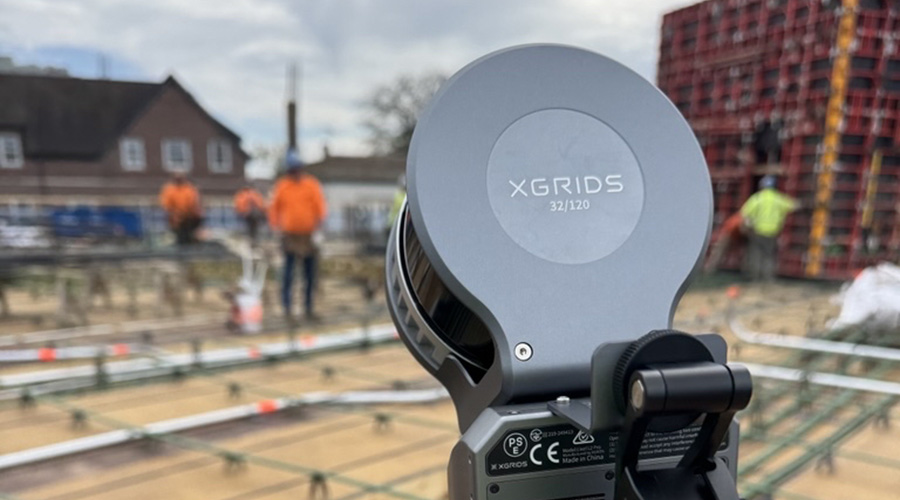 Laser Scanning: Reducing Risk in Construction Projects
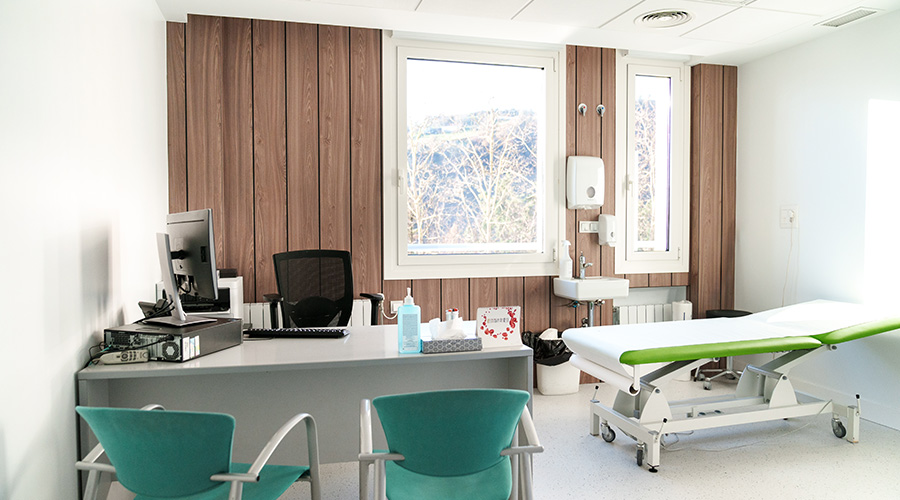 MOBs Get Smarter and More Complex as Space Pressures Mount