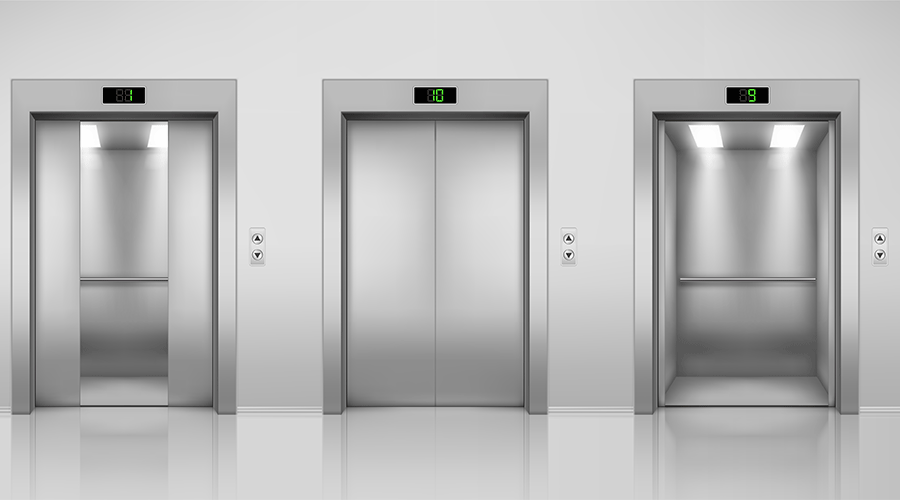
With the proliferation of smart buildings outfitted with IoT systems, a future trend of integrating elevator control systems with other intelligent building components is projected to gain traction. The elevator control system prevents unauthorized elevator users from reaching restricted building floors. Creating a smart elevator control system allows for continuous monitoring of the elevator's wear-out spots and collecting statistical data or measuring specific parameters. The predictive maintenance program analyszes data from the elevator and assesses the level of wear in individual parts, informing building management or a maintenance provider when elevator parts reach the end of their expected lifetime.
Machine-roomless (MRL) traction elevators are one of the most energy-efficient forms of elevators. The manufacturers rebuilt the motors and all the other necessary equipment, previously housed in a machine room above conventional elevators, to fit into the elevator's hoist route. These space-saving enhancements have eliminated the need to construct and supply energy to a machine room, consuming much less energy than prior versions.
With the increasing modernization of infrastructure, the demand for building elevators has become unavoidable. However, as the number of elevators installed in buildings increases, so does the number of people who use these elevators. This is causing excessive congestion or traffic, which has raised wait times. As a result, there is a need to combine these elevators with control systems equipped with technologies such as machine learning, artificial intelligence, IoT, and others to enable smooth vertical mobility throughout buildings.
 The Future of the Global Hospital Hygiene Market
 Rethinking Fire Safety Inspections
 The Ohio State University Wexner Medical Center Officially Opens
 Healthcare and Resilience: A Pledge for Change
 Texas Health Resources Announces New Hospital for North McKinney