
Emerging technologies are being used to improve the quality and efficiency at OhioHealth and Ohio State University’s Wexner Medical Center, according to an article on the Columbus Dispatch website.
Technology can make a patient's experience smoother, said Tom Bentley, deputy chief information officer at Ohio State University’s Wexner Medical Center.
A digital display in a patient’s room can show what tests are scheduled, who the doctors or nurses are as they enter the room and more.
“Right now at OSU, we give patients MyChart Bedside, a tablet that has been configured to do all kinds of things,” Bentley said in the article. “A patient can order their meals, or as tests are completed, they can find results right on the tablet. Patients can see their whole care team and read their bios, ask questions of doctors or nurses, and look up additional information for whatever reason they’re in the hospital.
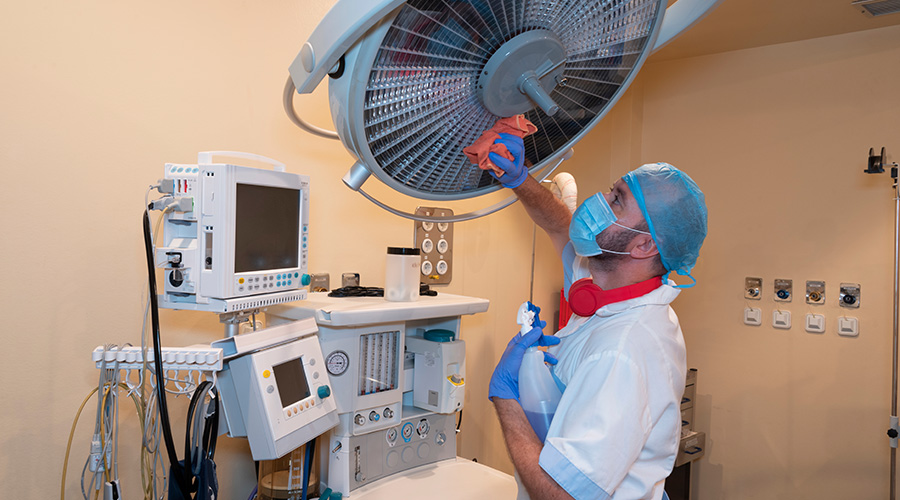 Safety Synergy: Infection Prevention That Protects Patients and Workers
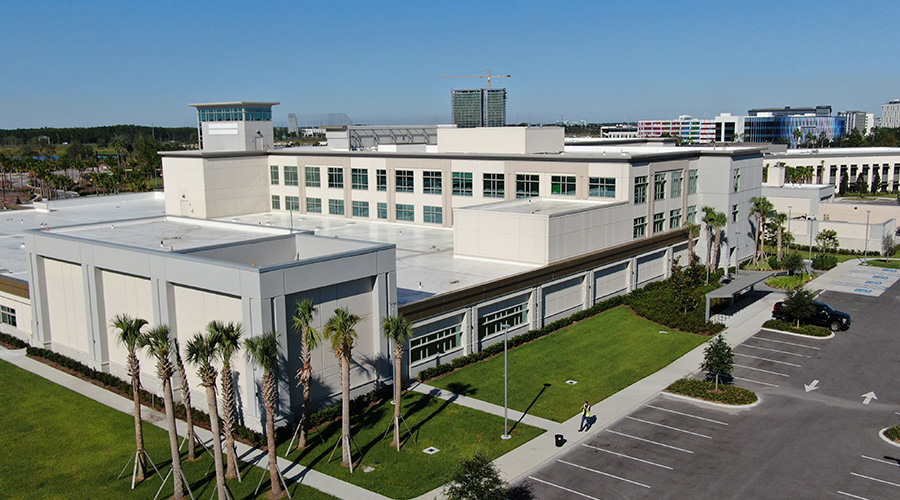 Prefabricated Wall Panels Speed UCF Lake Nona Medical Center Construction
 New Dallas Pediatric Campus Reaches Topping-Out Milestone
 Hospitals Are Energy Super-Users. Why Is It So Hard to Modernize Them?
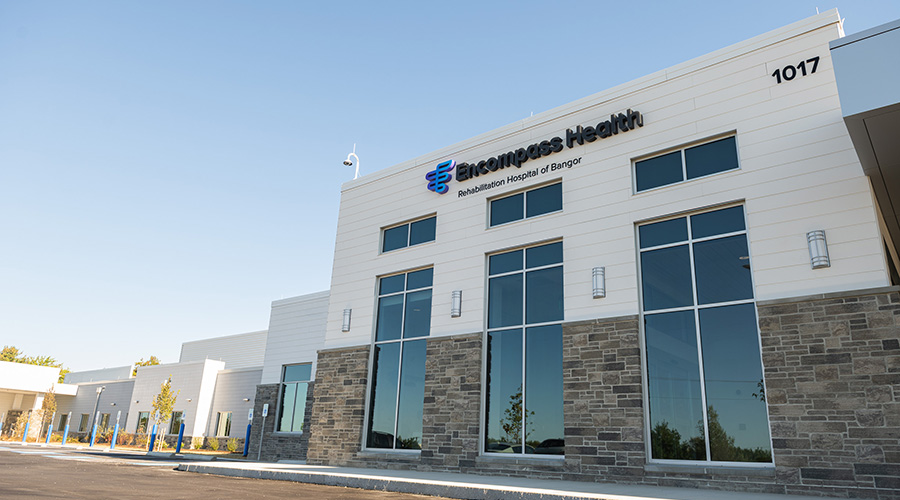 Encompass Health Rehabilitation Hospital of Bangor Officially Opens