
Tablet and cloud computing have brought new data options to the healthcare construction job site, according to an article on the Health Facilities Management website.
Immersive 3-D environments are now as much a part of the world of hospital design and construction as tablets and smartphones.
“We’ve been designing and constructing buildings in a similar fashion for decades,” said Andrew Quirk, senior vice president and national director of the Skanska Healthcare Center of Excellence in Nashville, Tenn. “Technology drives healthcare and I think we are finally catching up with the industry we are serving through the use of handheld devices, apps and building information modeling (BIM).”
There are also improved versions of design applications to view and adjust BIM 3-D models in the design studio, at a hospital and on the job site.
Project management applications such as e-Builder, PlanGrid and Trimble’s Prolog also continue to improve and there are now specialized apps measuring variables like noise, dust and vibration.
 Elevating EVS Professionals: The Case for Certified Hygiene Specialists
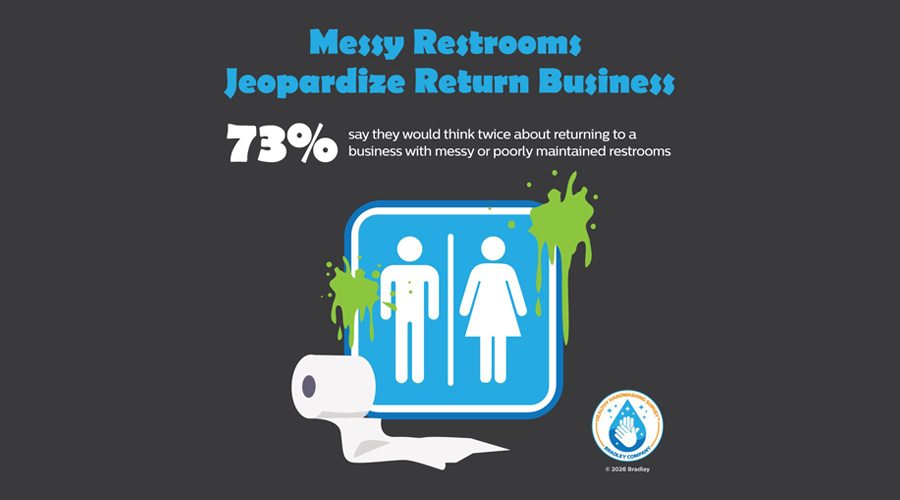 Global Handwashing Day and the Importance of Well-Maintained Restrooms
 Duke Health and CaroMont Health Partner to Develop Two New Hospitals
 Designing for the Psychology of Waiting
 UT Health Sciences Breaks Ground on College of Medicine Interdisciplinary Building